
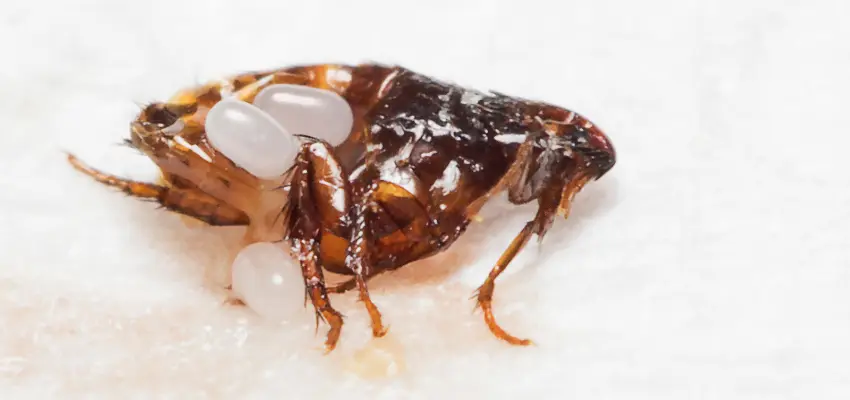
Living in Casselberry, Florida, means warm weather year-round. While that is great for enjoying the outdoors, it also means pest problems never really take a break. Fleas, in particular, thrive in Central Florida’s heat and humidity. That is why flea control is a year-round necessity for homeowners in Casselberry.
Many people think fleas only affect homes with pets. In reality, infestations can happen even if you do not own a dog or cat. Stray cats, wildlife, and rodents can drop fleas in your yard or garage. From there, fleas move inside and multiply quickly. Because of the flea life cycle, what starts as a small problem can turn into a full infestation fast.
This simple, room-by-room flea control checklist will help you spot pest activity early, understand what to do next, and know when professional pest control services are the right move.
Key Takeaways
- Flea control in Casselberry requires both indoor and outdoor pest management.
- Infestations can happen in homes with or without pets.
- Breaking the flea life cycle takes cleaning, targeted treatments, and follow-up.
- Professional pest control services help prevent reinfestation and future infestations.
Room-by-room flea checklist: where to look
Good flea control starts with a careful inspection. If you do not know where fleas are hiding, you cannot fully solve the problem.
Living room
The living room is one of the most common areas for flea infestations. Adult fleas hide deep in carpet fibers, especially under couches and chairs. They also gather along baseboards and in cracks in hardwood floors.
Look for tiny black specks that resemble pepper. These pepper-like specks are often flea dirt, which signals active pest activity. If your home has had cockroaches or roaches in the past, inspect similar dark and hidden spaces. Many pest issues overlap.
Unlike bed bugs, which stay close to beds, fleas move around the home more freely. That is why living rooms often show early signs.
Bedrooms
In bedrooms, check carpets, rugs, and upholstered furniture. Pay close attention to pet bedding. Even if you do not have pets, fleas can enter on clothing or from wildlife outside.
Flea bites often appear around the ankles and lower legs. If several people in your home have bites, you may be dealing with an infestation.
Proper identification matters. Bed bugs and fleas require different pest control treatments. A pest control company can confirm the problem and recommend effective treatments.
Closets and storage areas
Closets in Florida homes tend to stay warm and humid. That creates ideal conditions for flea larvae. Inspect shoe piles, laundry baskets, and stored fabrics.
Cardboard boxes and items that rarely move provide shelter for fleas. Many homeowners miss these spots, which allows infestations to continue.
Thorough pest management always includes these overlooked areas.
Garage and entryways
Garages are common entry points for pests in Casselberry and nearby Sanford or Maitland. If rodents enter your garage, fleas may follow. This is where rodent control and flea control sometimes connect.
Check pet resting areas, floor cracks, and storage corners. Entryway rugs can collect flea eggs brought in from the yard.
Simple exclusion steps, such as sealing cracks and replacing worn weatherstripping, can help reduce pest activity. These steps also help prevent larger pest problems, including termite risks that may require termite control or termite treatment later.
Yard and shaded exterior areas
Outdoor flea control is just as important as indoor treatment. According to the University of Georgia College of Agricultural and Environmental Sciences, fleas thrive in moist, shaded areas like under shrubs, decks, doghouses, and porches, while open lawns in direct sunlight do not support development. Researchers estimate that for every six visible adult fleas, nearly 300 more may be developing in the surrounding environment or on a pet.
If your yard also struggles with mosquito control, tick control, or wasps, the environment likely supports fleas, too. Homes throughout Central Florida, including Orlando and Winter Park, often have landscaping that traps moisture.
Regular outdoor pest control treatments reduce the chance of fleas moving inside.
Room-by-room flea checklist: what to do
Once you find signs of fleas, take action right away. Waiting gives infestations time to grow.
Living room action plan
Vacuum carpets thoroughly, especially under furniture. Throw away vacuum bags immediately to avoid reinfestation
Professional flea control often includes targeted treatments along floors and baseboards. Growth regulators are used to interrupt the flea life cycle, preventing eggs from developing into adult fleas.
This approach is different from ant control or cockroach treatments. Fleas require a plan that targets multiple life stages.
Bedroom action plan
Wash pet bedding, blankets, and sheets in hot water. Vacuum daily for several days after treatment. Washing bedding and vacuuming daily for several days helps remove newly hatched adult fleas.
Many pest control services in Casselberry include a scheduled follow-up visit. That follow-up is key because fleas may hatch after the first treatment.
Reliable exterminators understand that one visit rarely eliminates established infestations.
Closet and storage action plan
Remove items from floors and vacuum thoroughly. Clean hard surfaces and launder fabrics when possible.
If you already receive pest control services for other pest issues, ask about adding flea control to your plan. Integrated pest control solutions often provide stronger, longer-lasting results.
Garage and entryway action plan
Sweep and vacuum regularly. Seal visible cracks to limit entry points.
Exclusion reduces many pest problems at once. While termite control focuses on wood structures, sealing gaps also helps prevent fleas and rodents.
Yard action plan
Keep grass trimmed and shrubs cut back to reduce shade. Remove leaf litter and debris.
Technicians apply outdoor flea treatments to yards up to half an acre. Targeted treatments focus on shaded, high-risk areas. In Florida, year-round pest control is often necessary because winter does not eliminate fleas.
With pets (and without): safety checklist
Flea control must protect your family and pets while solving the problem. In Florida homes, fleas often return without a structured treatment plan.
Treat pets the same day
If you have pets like dogs, coordinate veterinary-approved flea products with your home treatment. Untreated pets can restart infestations quickly. Moreover, according to a study by the American Animal Hospital Association, fleas pose a significant health risk to pets, as they can cause severe allergic reactions, flea anemia, and a host of other flea-borne diseases.
Even without pets, outdoor flea treatments help reduce exposure from stray cats or wildlife in Casselberry and Altamonte Summers neighborhoods.
Follow re-entry guidelines
After professional pest control treatments, leave the home until the products dry. This usually takes a few hours.
Many pest control experts use targeted treatments instead of spraying entire rooms. This method supports effective treatments while limiting unnecessary exposure.
Vacuum consistently after treatment
You may notice more flea activity right after service. That is normal. The vibration from vacuuming encourages eggs to hatch.
Vacuum daily for several days to help break the flea life cycle and prevent reinfestation
Schedule follow-up service
Follow-up service is critical for many infestations. Follow-up treatments target newly hatched fleas before they lay eggs.
Professional pest control companies focus on long-term pest management. The goal is a pest-free home, not a temporary fix.
Book a Casselberry flea inspection and plan
Flea control in Casselberry requires more than a quick spray. Florida’s climate allows fleas, cockroaches, and other pests to stay active year-round. Without a structured treatment plan and proper follow-up, infestations often return.
Rowland Pest Management provides professional Casselberry pest control designed to break the flea life cycle at every stage. Our team inspects indoor hotspots, identifies outdoor breeding areas, and applies targeted flea control treatments with scheduled follow-up to prevent reinfestation. We serve homeowners throughout Casselberry, Longwood, Oviedo, Sanford, Maitland, Winter Park, and across Central Florida.
If you are ready to get rid of fleas and prevent future infestations, contact us today to request your free quote for Casselberry flea control. A proactive pest management plan keeps your home pest-free year-round.
FAQs
How do I get rid of fleas quickly in Casselberry?
To get rid of fleas, vacuum daily, wash pet bedding in hot water, and treat both indoor and outdoor areas. Because of Florida’s climate and the flea life cycle, professional pest control treatments with follow-up often deliver faster, more reliable results.
Can fleas survive year-round in Central Florida?
Yes. Central Florida’s warm weather allows fleas to stay active year-round. Unlike colder regions, winter does not eliminate infestations. Ongoing pest control services help prevent reinfestation and future infestations.
Should I choose DIY flea treatments or professional pest control?
DIY methods may reduce visible adult fleas but often miss eggs and larvae. Professional pest control experts use targeted treatments and follow-up visits to break the life cycle and provide long-term flea control for homeowners in Casselberry.