


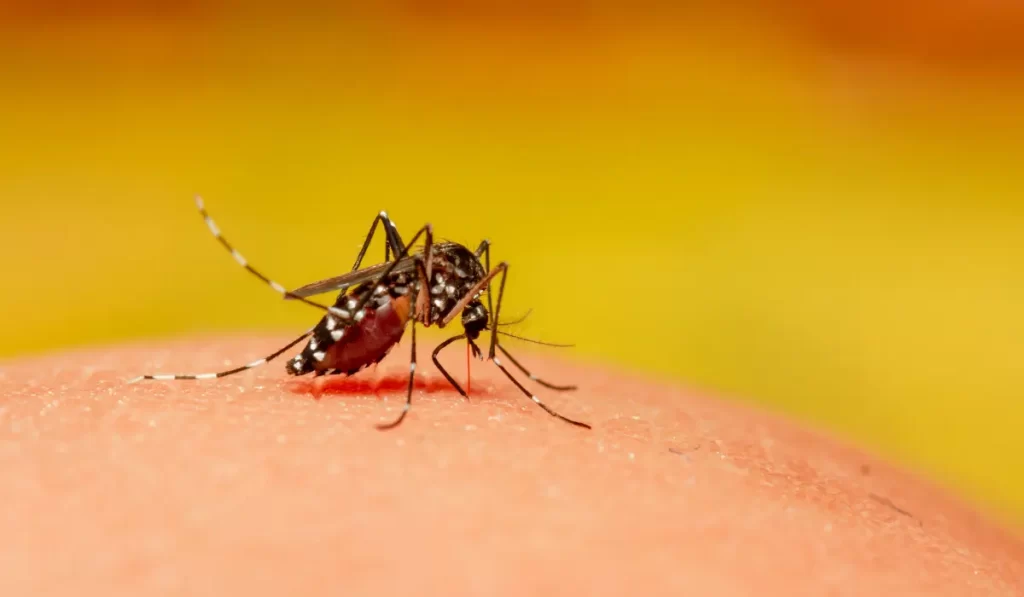
If you’ve ever wished for a cold snap in the middle of mosquito season, you’re not alone. It’s no secret that mosquitoes thrive in Florida’s hot and humid weather.
But once the temperatures drop, their buzzing and biting seem to disappear. So, what temperature kills mosquitoes? Let’s talk about how cold weather affects mosquito activity, what happens to their eggs, and how their life cycle adapts to winter conditions.
We’ll also break down what this means for mosquito control and how you can stay one step ahead, no matter the season.
Key Takeaways
- Most adult mosquitoes die off when temperatures consistently drop below 50 degrees Fahrenheit
- Some species survive cold weather through dormancy or by overwintering in protected places
- Mosquito eggs can survive freezing temperatures and hatch when warmer weather returns
- Year-round mosquito control helps reduce the number of mosquitoes before they bounce back in spring
Do Mosquitoes Die When It Gets Cold?
Short answer: yes, but not all of them.
Mosquitoes are cold-blooded, so their body temperature depends on their environment. As the temperature drops, mosquito activity slows down. Around 50 degrees Fahrenheit, adult mosquitoes begin to shut down. If it stays that cool or dips lower, they’ll eventually die off.
But different mosquito species have different strategies to survive the winter.
How Do Mosquitoes Survive Cold Temperatures?
Some female mosquitoes enter a hibernation-like state called diapause. During this period, they hide in sheltered places, such as storm drains, culverts, crawl spaces, or inside hollow logs, until warmer weather returns. This is especially common in species like Culex and Aedes.
Others lay mosquito eggs in damp soil or standing water before dying off. These eggs can survive freezing temperatures and hatch when environmental conditions improve.
So while adult mosquitoes might seem to die off, their life cycle continues quietly until spring.
When Does Mosquito Season End in Florida?
Unlike up north, where mosquito season wraps up in early fall, Central Florida doesn’t get cold enough for a true off-season. You might see a drop in mosquito activity around December or January, especially after a cold front, but don’t let that fool you. Mosquito eggs still linger, waiting to hatch.
Plus, a few warm days in winter can wake up adult females from dormancy. And just like that, you’ve got bites in January.
What Temperature Kills Mosquitoes and Their Eggs?
Here’s the breakdown:
- Adult mosquitoes become sluggish and die when temperatures stay below 50°F
- At 32°F (freezing), most adults cannot survive long-term exposure
- Mosquito larvae and eggs are surprisingly tough. Eggs in standing water or damp areas can overwinter and hatch once the temperature rises again
So while cold snaps help reduce the mosquito population, they don’t eliminate it.
Can You Stop Mosquitoes With Cold Weather Alone?
Cold weather helps, but it’s not enough if you want to fully get rid of mosquitoes.
Why? Because even if the adults are gone, their offspring are not. Eggs and larvae can wait out the chill and restart the cycle as soon as conditions allow.
That’s why year-round mosquito control is important. If you wait until spring, you’re already behind.
What Can You Do Now to Cut Down on Mosquitoes?
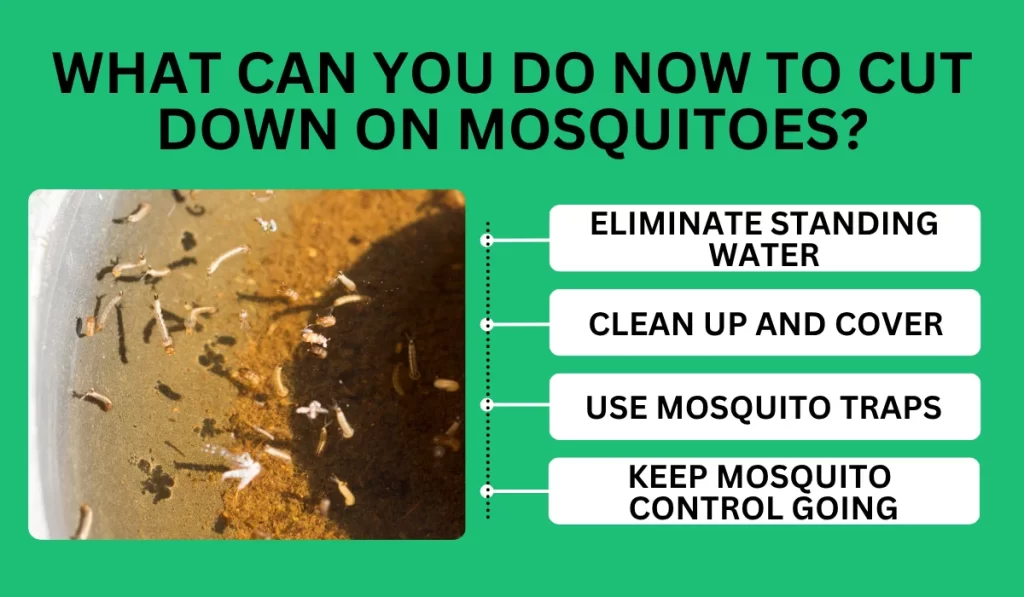
Eliminate Standing Water
Even in cooler months, standing water in gutters, birdbaths, plant saucers, or buckets can give mosquito eggs a place to ride out the cold.
Clean Up and Cover
Clear debris from your yard. Leaves and wood piles can trap moisture and give mosquitoes a place to overwinter. Cover anything that collects water.
Use Mosquito Traps
Some mosquito traps work year-round and help reduce adult populations during warm spells. They’re especially helpful during Florida’s warmer winters.
Keep Mosquito Control Going
Regular treatments make a huge difference. They reduce active adults and stop larvae before they hatch.
A lot of folks think winter means you can pause your pest control plan, but that’s a common mistake, especially in Florida. Even when mosquito activity drops, the eggs don’t disappear. They’re just waiting for the right environmental conditions to come back to life.
By continuing service during the cooler months, you’re creating a buffer before mosquito season ramps up again. This keeps the number of mosquitoes lower when they do emerge. Plus, if we get a few warm days in a row, you’ll already be protected.
At Rowland Pest Management, we don’t just wait for cold weather to do the job. Our mosquito control service targets the entire life cycle, from adult mosquitoes to eggs and larvae. Plus, we know how to treat the areas specific to Central Florida, where mosquitoes can stick around year-round.
Final Thoughts
So, what temperature kills mosquitoes? Around 50 degrees Fahrenheit is the tipping point. Below that, adult mosquitoes struggle to survive. But their eggs and some female mosquitoes can make it through the winter, lying in wait.
That’s why proactive mosquito control matters, even in winter.
If you’re in Central Florida and tired of swatting at mosquitoes well past summer, it might be time to rethink your plan. A consistent approach will help you stay ahead, because mosquitoes don’t take the season off around here.
Give us a call if you want help staying ahead of the next hatch. Our mosquito services are designed to protect your home, even when it doesn’t feel like mosquito season.
Frequently Asked Questions
What temperature kills mosquitoes instantly?
Mosquitoes start to shut down around 50°F, but sustained exposure to 32°F or lower will kill most adult mosquitoes. Sudden cold snaps can wipe out active adults.
Can mosquito eggs survive freezing temperatures?
Yes. Many species lay eggs that can survive through winter in damp soil or standing water and hatch once conditions warm back up.
Is it worth doing mosquito control in the winter?
Absolutely. Cold weather won’t eliminate mosquito eggs or dormant females. Ongoing treatments help reduce the spring population before it explodes.
When should I start mosquito control in Florida?
In Central Florida, mosquito activity never fully stops. Starting early in the year, or continuing through winter, helps keep your yard protected long-term.