
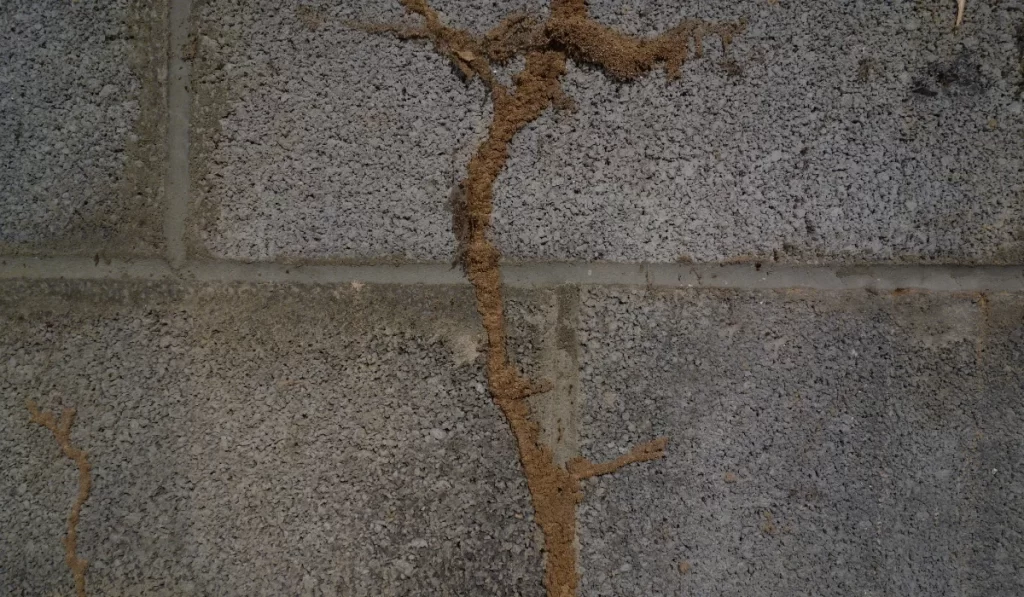
In Florida, termites are active most of the year. The hot, humid weather helps them thrive, especially subterranean termites. One easy warning sign is a termite mud tube.
These tubes resemble thin, muddy straws, often found on foundations, walls, or crawl spaces. They may seem small, but they are a major warning. Mud tubes usually mean termites are already eating wood. If you ignore them, repairs can become costly, and wooden structures may weaken.
In Orlando, Daytona, and South Florida, understanding the significance of mud tubes can save thousands in termite damage. This guide covers what mud tubes are, why termites build them, and where to find them. You’ll also learn about common Florida termite species, evident signs of activity, and simple control and termite prevention steps to protect your home.
Key takeaways:
- The presence of mud tubes means termites are nearby. Subterranean termites use them to move between the ground and your home.
- Mud tubes protect termites. Tubes keep termites safe from dry air and predators.
- If you see mud tubes indoors, termites are likely active and feeding in walls or floors.
- Call a professional. A local pest control company can confirm activity and provide lasting termite treatment.
What Are Termite Mud Tubes?
Termite mud tubes in Florida are small tunnels made of soil, wood, and termite saliva. Termites use them to stay moist while traveling from the ground into a home.
Most tubes are about pencil-width, but large subterranean termite colonies can build thicker ones. Look for them on foundations, beams, or even hanging from garage ceilings.
Breaking a mud tube open and seeing live termites inside is a sure sign of active termite infestation.
Why Termites Build Mud Tubes
Subterranean termites need moisture. They live in soil and build mud tubes to reach wood without drying out.
Mud tubes work like covered walkways. They protect termites from the sun, dry air, and ants. Without these tubes, termites wouldn’t survive long enough to cause damage. Because they feed constantly, they are among the most destructive pests for Florida homes.
Where Florida Homeowners Can Find Mud Tubes
In Florida’s humid climate, mud tubes form where soil meets wood. Check these common spots:
- Crawl spaces: Dark, moist areas under the house are ideal for subterranean termites. Mud tubes often climb foundation piers or floor joists.
- Window sills and door frames: Wooden frames provide easy access and a steady food source. Termites may build tubes around or inside them.
- Foundations and cracks: Small cracks let termites in. Tubes can run along block walls or up through slabs.
- Gutters and siding: When gutters overflow or siding stays damp, termites take advantage of the extra moisture to build protected tunnels.
Mud tubes can hide behind drywall, wallpaper, or insulation. Regular inspections are critical in Central and South Florida. Professionals know where to look and can tell if activity is current or old.
Types of Termites in Florida
Not all termites make mud tubes. Here are the main types of termites found in Florida:
- Eastern subterranean termites: The most common species in Florida. They live in the soil and build long mud tubes to reach your home’s wood. Their colonies are large, and they can cause significant structural damage quickly if left untreated.
- Formosan termites: A more aggressive type of subterranean termite. Their colonies can number in the millions, making them harder to control. Formosans build dense mud tubes and are known to cause extensive damage in a short time.
- Drywood termites: Unlike subterranean species, they don’t need soil or mud tubes. Instead, they live directly inside wood and leave behind piles of frass (wood-colored droppings). They often infest furniture, attics, and trim.
- Dampwood termites: Attracted to high-moisture wood, especially in crawl spaces, leaky areas, or rotting timber. They are less common in homes but can still weaken structures if conditions allow.
Other Signs of Termites
Mud tubes are one clue. Watch for these common warning signs:
- Damaged wood: Tap on beams, floors, or windowsills. If the wood sounds hollow or breaks easily, termites may have eaten the inside.
- Discarded wings: During swarming season, winged termites (swarmers) shed their wings near doors, windows, and light fixtures. Finding piles of wings often means a new colony is starting.
- Frass: Drywood termites leave behind droppings that look like small piles of sawdust or coffee grounds. You may see frass under baseboards, furniture, or inside closets.
- Buckled floors or bubbling paint: Termite activity behind walls can cause floors to warp and paint to bubble, making it look like water damage.
Catching these signs early can prevent a small termite problem from turning into expensive repairs.
Why Termite Mud Tubes Matter
Do not ignore termite mud tubes. They often point to active colonies feeding in your home. Termites eat 24/7, so damage grows daily, leading to sagging floors, weak beams, hollow wood, and big repair bills.
Mud tubes aren’t just dirt. They signal that termites have found a way inside. Even if tubes look old, termites may still be close, hiding in walls, crawl spaces, or wood you can’t see.
For homeowners, mud tubes are a red flag. Call a trusted pest control company for a full inspection and treatment plan before damage spreads.
Termite Control and Prevention
When it comes to termite treatment, Florida homeowners have several reliable options:
- Termite Bait stations and bait systems (like Sentricon): Professionals place bait in the soil around your home. Termites share the slow-acting bait with the colony, which kills it over time. Safe, discreet, and effective for long-term protection.
- Liquid barriers: Professionals apply liquid treatments around your foundation to form a shield. When termites try to pass through, they’re either killed or repelled. This method stops new termites from entering and cuts off access for any existing colonies.
- Preventative measures: Good home care makes a big difference. Clear clogged gutters to reduce moisture, repair plumbing leaks quickly, keep firewood away from the foundation, and schedule regular inspections to catch problems before they spread.
At Rowland Pest Management, we design termite control services around Florida’s humid climate. Whether you’re facing a subterranean termite infestation with visible mud tubes or spotting frass from drywood termites, our team has the tools and experience to protect your home year-round.
Protecting Your Florida Home From Termites
If you see termite mud tubes in Florida, termites are likely close or already inside. The good news is that you can stop them before severe damage occurs.
Rowland Pest Management can create a plan that fits your home and schedule, with transparent pricing and options suited to Florida homes.
Contact us today or request a free quote to discover our exclusive offers.
FAQs
Do mud tubes always mean termites are active?
Not always. Termites sometimes abandon tubes. A professional inspection can confirm current activity.
How do I know if I have subterranean termites or drywood termites?
Subterranean termites build mud tubes, while drywood termites leave droppings (frass) inside or under wood.
How often should I schedule termite inspections in Florida?
At least once a year. In high-risk areas like South Florida, twice a year is even better.