

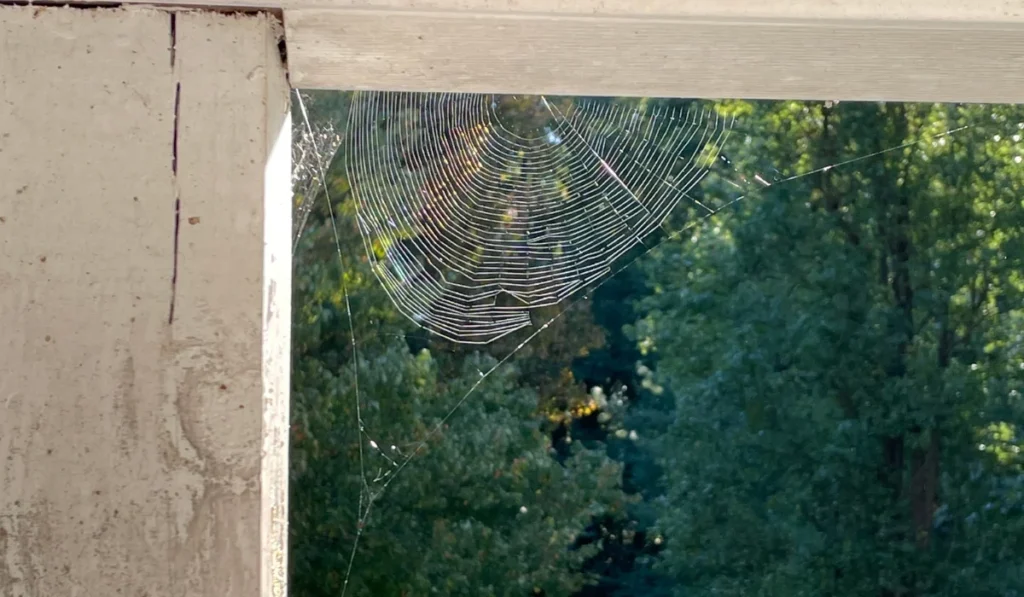
Spiders are common in Winter Park homes, especially with warm weather and year-round humidity. These creepy crawlies often move indoors to find shelter, food, and hiding spots. Many homeowners notice cobwebs in corners, spider webs near windowsills, or spider activity in storage areas.
Most spiders are harmless, but no one wants to share their living space with them. A small spider problem can grow over time if your home supports spider activity.
The good news is you can take simple steps to spider-proof your home. With the right pest control approach, sealing entry points, keeping spaces clean, and reducing outdoor pressure can lower spider activity and keep your home more spider-free.
Key Takeaways
- Spiders enter through small entry points like crevices and door frames
- Decluttering and cleaning reduce hiding spots and food sources
- Outdoor lights and landscaping can increase spider activity
- Natural spider repellent options can help, but work best with prevention
- Pest control services help stop ongoing spider problems
Know Where Spiders Get Into Homes
Spiders often find small openings to enter your home. Knowing these entry points helps you block them and reduce spider activity.
Gaps Around Doors and Doorways
Small gaps around door frames and doorways are common entry points for spiders. Worn weather stripping makes it easier for spiders to get inside. Replace it and seal edges with caulk to help keep spiders out.
Cracks in Walls and Crevices
Tiny crevices along walls, baseboards, and foundations give spiders easy access. Sealing cracks with caulk helps block entry points and supports spider prevention.
Windows and Windowsills
Windows that do not close tightly allow spiders to slip inside. Check window sills for gaps or damage, and use weatherstripping to improve the seal.
Garage and Storage Areas
Garages and storage areas are often dark and cluttered, creating hiding spots. Open gaps around doors or vents can let spiders inside, where they can spread to other areas of the home.
Reduce Indoor Spider Harborage
Once inside, spiders look for places to stay. Keeping your home clean and organized limits hiding spots and reduces spider activity.
Keep a Clutter-Free Living Space
Decluttering removes common hiding spots like boxes, clothes, and stored items. A clutter-free space makes it harder for spiders to settle in.
Vacuuming and Removing Cobwebs
Regular vacuuming removes spider webs, egg sacs, and spiders. Focus on corners, baseboards, and behind furniture to keep activity under control.
Manage Food Sources
Spiders stay where they can find food, usually other insects. Controlling flies, ants, and similar pests reduces spider activity and lowers the chance of an infestation.
Clean Storage Areas and Basements
Storage areas and basements can become long-term hiding spots if left unchecked. Keep these spaces clean and inspect them regularly to reduce spider problems.
Exterior Proofing That Lowers Pressure
Outdoor conditions affect how many spiders come indoors. Reducing activity outside helps limit spider pressure inside.
Adjust Outdoor Lights
Outdoor lights attract insects, which attract spiders. Use warm or yellow bulbs and place lights away from doorways when possible to lower spider activity near entry points.
Trim Plants and Remove Debris
Bushes, mulch, and debris near your home create hiding spots for spiders. Trim plants and move items away from the foundation to reduce spider presence near entry points.
Be Careful With DIY Treatments
DIY methods like peppermint oil, eucalyptus oil, or tea tree oil work as natural spider repellent options. Mix these with water in spray bottles to help repel spiders in small areas, though results vary. White vinegar is another option with similar limitations.
These may offer short-term results, but do not fix the full spider problem. A comprehensive spider-proof plan is more effective than relying on a single method.
Making the Right Spider-Proof Plan for Your Winter Park Home
Keeping your home spider-free takes simple steps and ongoing care. Seal entry points, reduce clutter, and manage outdoor conditions to lower activity. In Winter Park, these steps matter year-round because of the warm climate.
If spiders keep coming back, a professional approach can help solve the problem. Rowland Pest Management provides pest control experts who inspect your home and treat problem areas to reduce spider activity.
With the right plan, you can keep your home comfortable over time. Contact us today to schedule an inspection.
FAQs
What is the best way to get rid of spiders in my home?
Start by sealing entry points, reducing clutter, and removing food sources. Regular cleaning and vacuuming help control spider activity. If the problem persists, pest control services can provide a more comprehensive solution, depending on the situation.
Do natural spider repellent methods work?
Options like peppermint oil, eucalyptus, and white vinegar may help repel spiders in small areas, but results can vary. They work best when combined with sealing gaps and keeping your home clean.
Why do I keep seeing spiders in my house?
Spiders stay where they can find food and hiding spots. If you have other insects or cluttered areas, spiders are more likely to stay and become more active over time.