
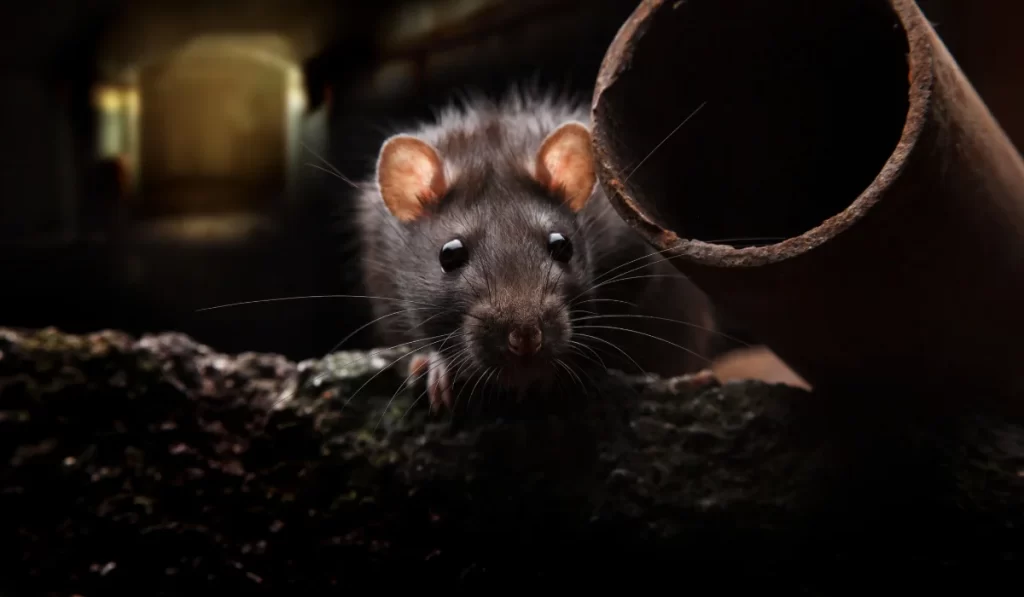
If you’ve been hearing scratching above your ceiling or noticed strange droppings in your attic, you’re not alone. Roof rats are a common issue for homeowners throughout Florida. These agile critters are excellent climbers and can quietly turn your attic into their nesting ground before you even know they’re there.
In this article, we’ll help you recognize the warning signs of a roof rat infestation, understand the associated health risks, and take action using innovative and effective pest control strategies.
Key Takeaways:
- Florida’s warm climate, fruit trees, and accessible entry points near the roofline make attics an ideal nesting place for roof rats.
- Signs of infestation include droppings, gnaw marks, scratching noises, and grease smudges, especially in attics and along rafters.
- Roof rats can pose a threat to you and your Florida home. These critters can spread diseases like leptospirosis, and they can put your home at risk of electrical fire if they chew on electrical wires.
- Effective control involves sealing entry points, removing food sources, and partnering with a local pest control company for long-term results.
Why Are There Rats in My Florida Attic?
Roof rats (also known as black rats or Rattus rattus) gravitate towards attics because this particular area in your Florida home is quiet, warm, and close to food sources. Moreover, rats will nest in attics because they offer them shelter from predators and the elements.
In Florida, particularly in areas such as Orlando, Kissimmee, and Port Orange, roof rats are a persistent concern. These pests usually appear in neighborhoods with fruit trees, unsealed pet food containers, and easy access to crawl spaces or attic vents.
7 Warning Signs You Might Have Roof Rats
If you’re hearing late-night scurrying sounds in your attic but are unsure whether it’s from rats, here are some telltale signs of rat activity to help you confirm whether you have a rat problem:
1. Droppings in the Attic
Rat droppings are one of the first signs homeowners notice when they suspect rat activity in their home. Roof rat droppings are about half an inch long with pointed ends. You might find these droppings along rafters, insulation, or near food sources.
2. Gnaw Marks
To keep their teeth from overgrowing, these rats constantly chew. Look for gnaw marks on wood beams, boxes, or even electrical wires, which could create a serious fire risk.
3. Scratching Noises at Night
The scratching noises you hear at night likely come from scurrying rats. You will only hear these noises at night because roof rats are nocturnal critters.
4. Visible Entry Points
Rats can squeeze through entry points the size of a quarter. To stop them from seeking shelter in your home, find small gaps along your roofline, soffits, or vents that rodents may use as entry points.
5. Nest Materials
Keep your attic free of clutter and well-lit. Rats can use shredded paper, insulation, and old clothes in your attic to build their nest. Furthermore, rats also prefer dark, undisturbed corners in attics and crawlspaces for their nests.
6. Rat Droppings Around Food Sources
Finding rat droppings around pet food, birdseed, or pantry items is one of the clearest indicators of rat activity. Discard any food items that have been contaminated, then clean the pantry thoroughly to sanitize your food storage area.
7. Grease Marks Along Beams or Entryways
Rats leave behind oily residue from their fur. These smudge marks usually appear along entryways or commonly traveled rat paths, such as along beams.
What Attracts Roof Rats in the First Place?
Understanding what draws black rats into your home is key to keeping them out. Here are a few common attractants:
- Fruit Trees: The strong smell and sweetness of overripe or decaying fruit can lure rats to your property. Rats will feast on fallen fruit and also use the tree for shelter against the elements.
- Pet Food: Rats are opportunistic feeders. They will eat pet food, especially dry kibble, if its container is left improperly sealed.
- Open Garbage Cans: Rats are attracted to garbage cans for food and shelter. Leaving your garbage cans unsealed can allow pungent odors of decaying organic matter and spoiled food to waft out, luring pests in.
- Cluttered Crawl Spaces: Rats like to nest in dark, undisturbed places. If your crawl space is packed with materials rats can easily shred and use for their nest, they will burrow there and use the space as their nest.
Are Roof Rats Dangerous?
Yes. Roof rats are more than just a nuisance; they pose significant health risks. They carry serious diseases, including leptospirosis and rat-bite fever. They may also introduce fleas and ticks into your home.
Roof rats are also notorious for causing fires due to their habit of chewing on electrical wires. This can lead to short circuits or even attic fires.
Roof Rats vs. Norway Rats
Not all rats are created equal. Roof rats prefer to nest up high. Their nests can be found in attics and trees.
On the other hand, Norway rats are ground dwellers that burrow in soil and lower levels of buildings. If you’re hearing noise overhead or finding droppings in the attic, you’re likely dealing with a roof rat infestation.
How Do Roof Rats Get In?
Roof rats are excellent climbers. They often gain access through:
- Gaps in soffits or fascia boards
- Vents or unsealed attic fans
- Tree branches touching the roof
- Uncapped chimneys or damaged roof tiles
A thorough inspection of these areas is key to effective pest management and rat control. Doing this can help you identify their entry points and seal them to control your rat problem.
What to Do if You Think You Have Rats in the Attic
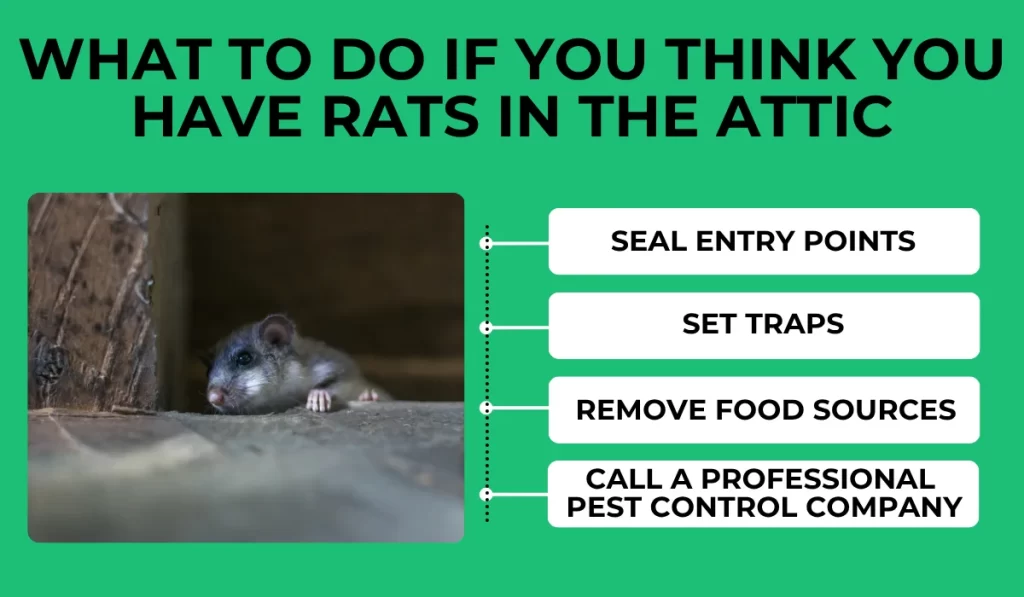
The most effective way to eliminate rats is to cut off their access and remove those already inside. Here’s how:
Step 1: Seal Entry Points
Close off all entryways rats might be using. This includes roof vents and gaps in fascia boards. Also, be sure to check the spaces around plumbing and electrical lines.
Step 2: Set Traps
Use snap traps and bait stations in areas with high rat activity. Place them strategically along walls, near droppings, along rafters, or in corners.
Step 3: Remove Food Sources
Prevent rat populations from inhabiting your home by eliminating their food sources. Store pet food in sealed containers, pick up fallen fruit, and keep your garbage in sealed containers.
Step 4: Call a Professional Pest Control Company
DIY rodent control can help you deal with your rat problem in the short term. However, black rat infestations can be persistent. The best way to handle your home’s rodent problem is with the help of professional pest control services. Trained exterminators can expertly identify hidden entry points and ensure long-term rodent control.
Rowland Pest Control: Local Experts in Rat Removal
We’ve helped homeowners across Central Florida, from Daytona Beach to Winter Garden, and even in Tampa, as well as areas in South Florida, with handling stubborn rodent problems safely and effectively.
At Rowland Pest Control, we do more than just trap rats. We inspect, seal entry points, and provide customized rodent control plans tailored to your home and lifestyle. We’re here to help from inspection to removal. We also offer wildlife removal, as well as safe and effective pest control for termites, fleas, and other pests.
Final Thoughts
If you spot droppings around your kitchen, hear scurrying noises at night, or spot gnaw marks, don’t wait. A roof rat infestation can escalate quickly if left unchecked.
Taking early action not only protects your home, it also protects your family and pets from unnecessary health risks and further property damage.
If you’re not sure what kind of rat you’re dealing with, our team is happy to inspect your attic and walk you through the best pest management options for your Florida home.
Contact us today for a free quote, or call our phone number if your rat control needs are urgent.
FAQs
How do I know if I have roof rats or Norway rats?
Roof rats usually nest in attics, rafters, and trees. Norway rats prefer burrowing in the ground or lower levels. If you’re hearing noises in the attic or finding droppings in high places, roof rats are likely present.
Can rats cause a fire by chewing on wires?
Yes. Roof rats are known to gnaw on electrical wires, which can strip insulation and create a fire hazard, particularly in enclosed spaces such as attics.
Is it safe to try to get rid of roof rats myself?
DIY traps and bait stations can provide temporary relief. However, failing to seal entry points and neglecting hidden nesting areas properly can cause the problem to recur. A licensed pest control company can provide safer, longer-lasting results.