
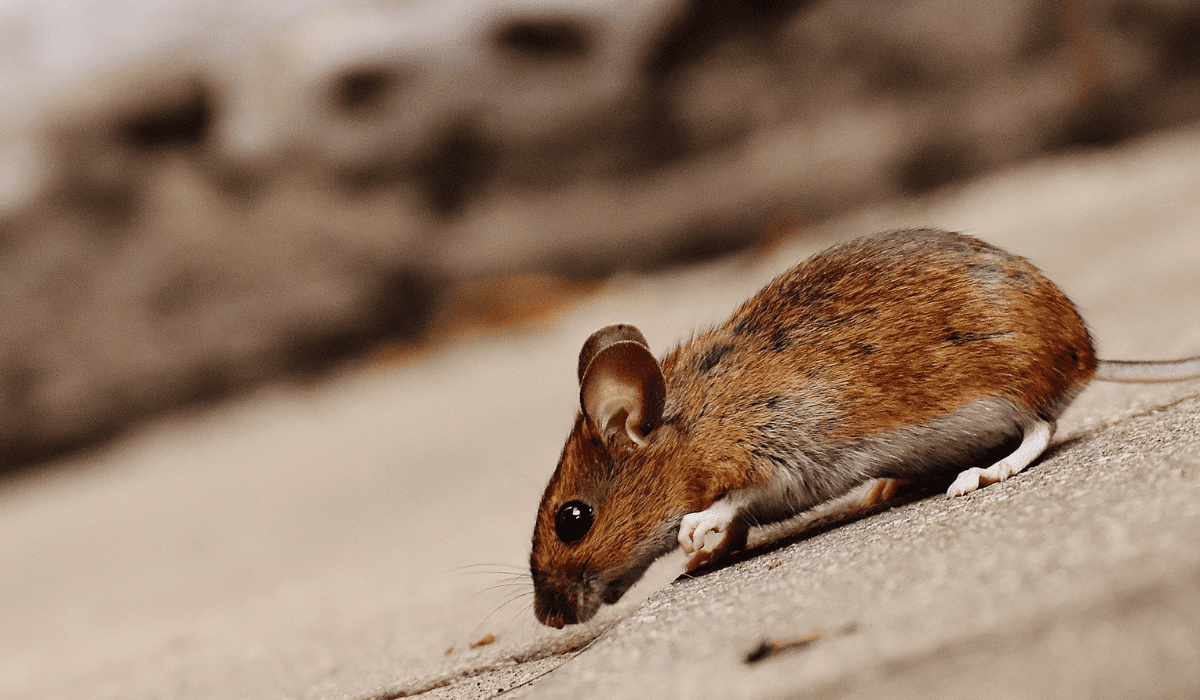
When summer ends and the nights cool, many Central Florida homeowners hear scratching above the ceiling. The sound is often the first sign of rats in the attic, a common problem from Orlando to Tampa.
In hot months, rats nest outdoors or in crawl spaces. When the weather shifts, they look for warm, safe nesting spots. Your attic offers what they want: insulation, nearby food, and water from leaky pipes or AC lines.
If you suspect activity, act fast to protect your home, wiring, and health. This guide explains why infestations often occur after summer, how to identify them, what attracts rats, and how to eliminate rats with professional assistance safely.
Key Takeaways
- Rats invade attics in Central Florida after summer to escape heat, predators, and storms.
- Common signs include droppings, gnaw marks, and nighttime scratching noises.
- A rat infestation can damage electrical wiring and spread diseases like leptospirosis and salmonella.
- The safest and most effective solution is expert rat removal and exclusion by a reputable local pest control company.
Why Rats Move Into Central Florida Attics
Rats in the attics of Central Florida homes are most common from late August through early winter. When summer storms and rising humidity make outdoor shelters unstable, roof rats and Norway rats move inside. Proper rodent identification can help you determine the most effective prevention and control treatments to protect your home.
Roof rats, also known as black rats or Rattus rattus, are skilled climbers that reach attics by running along tree branches, utility lines, and the roofline. Norway rats, on the other hand, often enter through crawl spaces or low entry points, such as gaps near doors or vents.
Both rat species seek hidden, quiet spaces to breed and store food, such as pet food, birdseed, or fallen fruit. Once inside, they breed fast and can turn a minor problem into a severe infestation within weeks.
Signs Of Rat Activity In Florida Homes
Hearing scratching noises is just one of the many signs you have a roof rat problem in your attic. Identifying early signs of rats enables homeowners to take action before significant damage occurs. Look and listen for:
- Small, dark rat droppings (rice-sized) around insulation, boxes, or food areas.
- Gnaw marks on wood, wires, or stored items.
- Rats use shredded paper or fabric to build nests.
- Trails of oily smudges along the roofline or attic beams.
- Constant scratching noises or scurrying at night.
If you notice these signs, check soffits, crawl spaces, and attic corners. Chewed wires or insulation also point to long-term nesting.
Health Risks Of A Rat Infestation
Rats aren’t just annoying, they’re a health threat. Their droppings, urine, and nesting debris can carry bacteria that cause illnesses such as leptospirosis, salmonellosis, and rat-bite fever.
Inhaling dust contaminated with rat droppings can exacerbate asthma or lead to other respiratory issues. And because rats often chew through electrical wiring, they can also create a hidden fire hazard.
Children and pets are especially at risk if rats access pet food or water bowls. It’s essential to sanitize affected areas and address the infestation as soon as possible to protect your family’s health.
Common Entryways And Food Sources
Every infestation starts with access. Even tiny openings as small as a quarter inch can let rodents in.
- Cracks near soffits and vents.
- Loose shingles along the roofline.
- Gaps around pipes or utility lines.
- Unsealed corners of crawl spaces or garages.
Outdoors, food draws them in. Fallen fruit, spilled birdseed, open pet food, and cluttered storage keep rats nearby. Keep these areas clean and sealed to prevent year-round problems.
DIY Rat Control: What Works And What Doesn’t
While some homeowners try DIY solutions, many find mixed results. Snap traps can help in small infestations, but rats are cautious and often avoid them. Bait stations can be effective, but misusing them risks harming pets or wildlife.
Setting live rat traps is one of the best methods for trapping rats. You can set traps near suspected nesting sites. However, it is recommended that you wear gloves whenever checking the traps to protect yourself from potential bites and bacterial infections.
Seal gaps with steel wool, caulk, or hardware cloth. However, without addressing all access routes, new rats will likely move in.
For long-term results, professional rodent control in Central Florida is the most reliable solution.
Professional Rat Removal And Rodent Control In Central Florida
At Rowland Pest Management, our licensed technicians specialize in rat removal and rodent control across Florida. We inspect your attic, roofline, and crawl spaces to identify all entry points and potential food sources.
Our attic rat control process includes:
- Detailed inspection for signs of rat activity and damage.
- Setting professional-grade snap traps or bait stations in key areas.
- Complete exclusion to seal entry points and stop re-entry.
- Safe cleanup and treatment to remove droppings and odors, and to sanitize your attic.
We proudly serve Orlando, Winter Park, Lake Mary, and surrounding communities with same- or next-day pest control services. Our goal is to achieve lasting results, ensuring your attic remains rat-free throughout the year.
Making The Right Rat Control Choice For Your Florida Home
Rats remain active throughout the year, but they become especially persistent in the fall as they search for warm nesting sites. Acting early prevents expensive damage and future infestations.
At Rowland Pest Management, we provide complete inspections, safe removal, and long-term attic protection for Florida homeowners. Our experts locate entry points, apparent current activity, and prevent new rodents from entering for good.
Ready for a cleaner, safer home? Contact us today or request a free quote to schedule your rat inspection and removal service.
FAQs
What attracts rats to attics in Central Florida?
Warmth, shelter, and food are the primary attractions for rats. They often enter attics in search of dry nesting areas near steady food sources, such as pet food or fallen fruit.
Are roof rats or Norway rats more common in Central Florida?
Roof rats are more common in Florida homes because they are adept at climbing and travel along the roofline and utility lines to reach attics. Norway rats prefer burrows and crawl spaces.
How can I prevent rats from coming back?
Keep trees trimmed away from the roof, seal entry points with steel wool, store pet food securely, and contact a professional pest control company for routine inspections.