
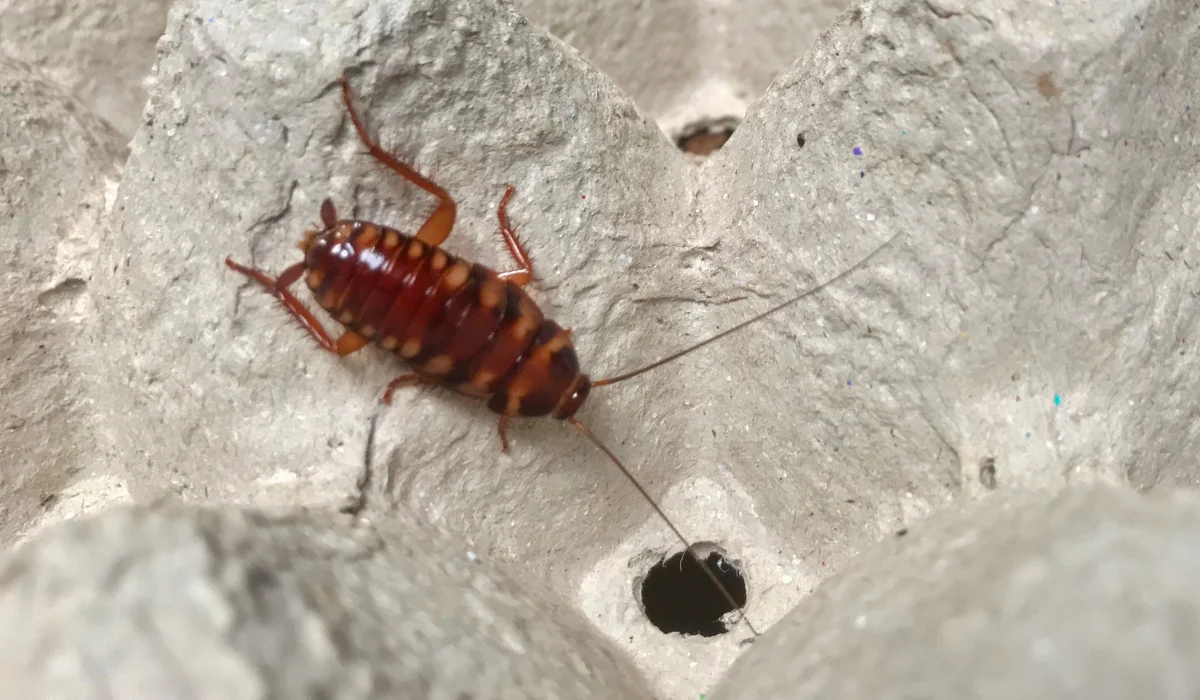
Seeing a roach in a clean home can feel frustrating. Many homeowners in Casselberry think cockroaches only show up in dirty spaces, but brown-banded cockroaches often show up in well-kept houses.
Unlike German cockroaches or American cockroaches, brown-banded cockroaches prefer dry areas and hide higher in the home. They settle behind picture frames, inside upper cabinets, and in small crevices where cleaning rarely reaches.
When you know why these roaches show up, you can stop repeat sightings.
Learn why brown-banded cockroaches live indoors, what repeat sightings mean, and how professional pest control helps.
Key Takeaways
- Brown-banded cockroaches prefer dry areas, which makes them harder to spot during routine cleaning.
- Even clean homes can support a brown-banded cockroach infestation because these scavengers survive on very small food sources.
- Repeat sightings often mean hidden activity, including egg capsules, nymphs, and roaches in crevices, attics, and wall spaces.
- Professional pest control and cockroach removal services help eliminate hidden infestations and prevent future pest issues in Casselberry homes.
Why “Clean Homes” Still Get Brown-Banded Roaches
Brown-banded cockroaches behave differently compared to other cockroach species you’ll find in Florida. Their living areas, hiding spots, and fast reproduction make them hard to control:
They Prefer Dry, Warm Spaces
Many people think all roaches stay near water sources. That applies to German roaches, not brown-banded roaches. Brown-banded roaches prefer dry, warm areas throughout your home, such as:
- Bedrooms, closets, and living rooms
- Attics and upper areas of the home
- Upper cabinets and shelving
- Behind picture frames or wall decor
- Inside book bindings or stored paper items
- Under loose wallpaper
They Hide Above Floor Level
Brown-banded roaches build hiding spots in places you don’t clean often. They do not stay near floors or sinks; they hide higher on walls and inside small cracks throughout the home.
Common hiding spots include:
- Crevices behind trim or moldings
- Inside furniture joints
- Along baseboards
- Inside upper cabinets
- Behind decorative wall items
They Can Survive on Very Little
Like other scavengers, brown-banded roaches can survive on small amounts of food that are easy to miss.
Common food sources include:
- Tiny crumbs on floors or furniture
- Grease film on kitchen surfaces
- Glue and paper fibers from books or packaging
- Pet food left out overnight
- Forgotten snacks in cushions or corners
What Repeat Sightings Usually Mean
A roach may wander indoors from time to time. However, repeated sightings often mean a hidden infestation inside the home.
A Hidden Nest May Be Nearby
Female brown-banded cockroaches attach egg capsules, also called egg cases, to surfaces such as cabinets, furniture, and walls.
Research shows that female brown-banded cockroaches can produce up to 14 egg cases throughout their lifetime, with each case containing 14 to 18 eggs. Not all eggs in each ootheca will hatch.
When the egg capsules hatch, young nymphs spread through nearby rooms. Their life cycle progresses quickly in Florida’s warm climate, with the developmental stage lasting only 160 days. Adult brown-banded cockroaches can live for up to 200 days.
Without proper cockroach control, a small infestation can develop into a larger problem.
Signs of Activity May Already Be Present
Spotting the signs of a brown-banded roach infestation helps you act fast.
Common signs of activity include:
- Droppings inside cabinets, along shelves, or near baseboards
- Nymphs leave behind shed skins as they grow through different stages of the life cycle
- Egg capsules or egg cases are attached to furniture, walls, or cabinets
- Adult brown-banded cockroaches, which are light brown with clear bands across their wings
As infestations grow, droppings, shed skins, and body fragments can build up in hidden areas of the home. These materials can add to indoor allergens and trigger asthma or allergy symptoms.
The Species May Be Misidentified
Some homeowners assume they are dealing with German cockroaches due to their small size.
However, brown-banded cockroaches prefer dry areas and hide throughout the home rather than near water sources.
Correct identification helps pest control professionals choose the right cockroach removal plan.
How to Stop Brown-Banded Roaches for Good
If you want to get rid of brown-banded cockroaches, you need to target where they hide and reproduce. Cleaning alone is often not enough to interrupt the life cycle.
Seal Entry Points
- Small gaps allow cockroaches to enter homes. Sealing these openings reduces the chances of future pest issues.
- Caulk gaps around windows, doors, and utility lines. Repair loose wallpaper and cracks along baseboards that create hiding spots.
- Closing these entry points also helps prevent other pest issues common in Florida homes.
Reduce Food Sources
- Limiting food reduces cockroach activity.
- Store pantry items in sealed containers and wipe shelves regularly. Vacuum crumbs from furniture, cabinets, and baseboards.
- Pet food should remain in a sealed container and not be left out overnight.
Use Professional Pest Control
DIY treatments may kill visible roaches but often fail to reach hidden egg capsules or nesting areas where brown-banded cockroaches reproduce. Many products only reach exposed surfaces while roaches remain hidden inside crevices, cabinets, and furniture.
Professional pest control services focus on locating these hiding spots, targeting active colonies, and interrupting the life cycle. A pest control company can identify entry points and other conditions that lead to pest issues, then suggest steps to keep your home pest-free.
During an inspection, technicians often look for entry points, cluttered storage areas, and other conditions that allow roaches to thrive, and then recommend preventive steps to help keep the home pest-free.
Roach Inspection For Repeat Sightings In Casselberry
Seeing brown-banded cockroaches in a clean home can feel discouraging. These pests hide in dry areas, reproduce fast, and survive on small food sources.
If you do not find their hiding spots and entry points, a few sightings can turn into a larger cockroach infestation.
At Rowland Pest Management, we provide professional pest control services for homeowners throughout Casselberry and nearby areas, including Longwood and Winter Park. Our exterminators inspect attics, cabinets, crevices, and other hidden spaces where brown-banded cockroaches often hide.
If you continue to see roaches in your home, a professional inspection can help locate the source and reduce further sightings.
Contact us today or request a free quote.
FAQs
Why do clean homes still get brown-banded cockroaches?
Even clean homes can attract brown-banded cockroaches because these pests survive on tiny crumbs, paper fibers, and other small food sources. They also prefer dry areas and hidden spaces, such as cabinets and furniture, where cleaning rarely reaches.
How are brown-banded cockroaches different from German cockroaches?
Brown-banded cockroaches prefer dry areas such as bedrooms and closets, and often hide higher in the home. German cockroaches usually stay closer to kitchens and water sources.
When should you call pest control for repeat roach sightings?
If sightings continue or you notice droppings, shed skins, or ootheca, a hidden infestation may be present. Professional pest control can identify the species and start effective cockroach removal.