
Summer in Florida means longer days, afternoon thunderstorms, and, unfortunately, more bugs. The heat and humidity of the summer months create perfect conditions for many Florida bugs to breed and spread. If you’re a homeowner in Central Florida, you’ve likely already battled some of these critters, and if not, it’s probably just a matter of time.
While bugs are a year-round issue in Florida, the summer months tend to bring a noticeable spike in activity. That’s when pests breed faster, spread farther, and invade homes in search of food, water, and shelter.
From the familiar palmetto bug to yard-destroying chinch bugs, these common pests are best handled early so you can stay ahead of an infestation.
Let’s break down seven of the most common summer bugs that invade Florida homes, how they behave, and what you can do about them.
Key Takeaways
- Florida’s summer heat and humidity lead to a surge in pest activity, with bugs like cockroaches, termites, fire ants, and bed bugs becoming more aggressive and invasive.
- Many pests, like termites and chinch bugs, can cause severe property damage, while others, like mosquitoes and bed bugs, pose health risks.
- Prevention is the best defense, including sealing entry points, removing standing water, keeping yards clean, and scheduling regular pest control services.
- Some pests, like whiteflies and carpenter ants, may not enter homes but still damage landscaping and structures, making outdoor monitoring just as important as indoor care.
1. Cockroaches (a.k.a. Palmetto Bugs)
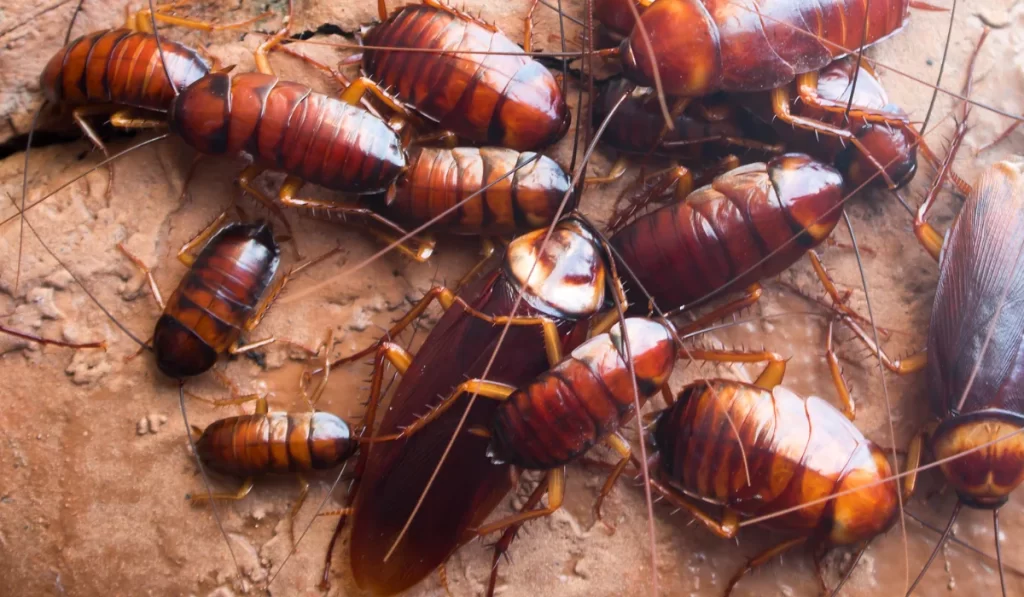
Cockroaches thrive in Florida’s warm, humid climate. The American cockroach, commonly known as the palmetto bug, is especially notorious here. These large, reddish-brown roaches often come inside looking for food or water. They’re known for startling people when they scurry or fly.
They’re not just unsettling, they can also trigger allergic reactions and asthma, particularly in children.
Roaches love clutter, moisture, and leftover food, so sealing entry points and keeping a tidy home can help reduce infestations. Even though most Florida homes don’t have basements, roaches still find dark, moist areas like under sinks and behind appliances to hide.
2. Bed Bugs
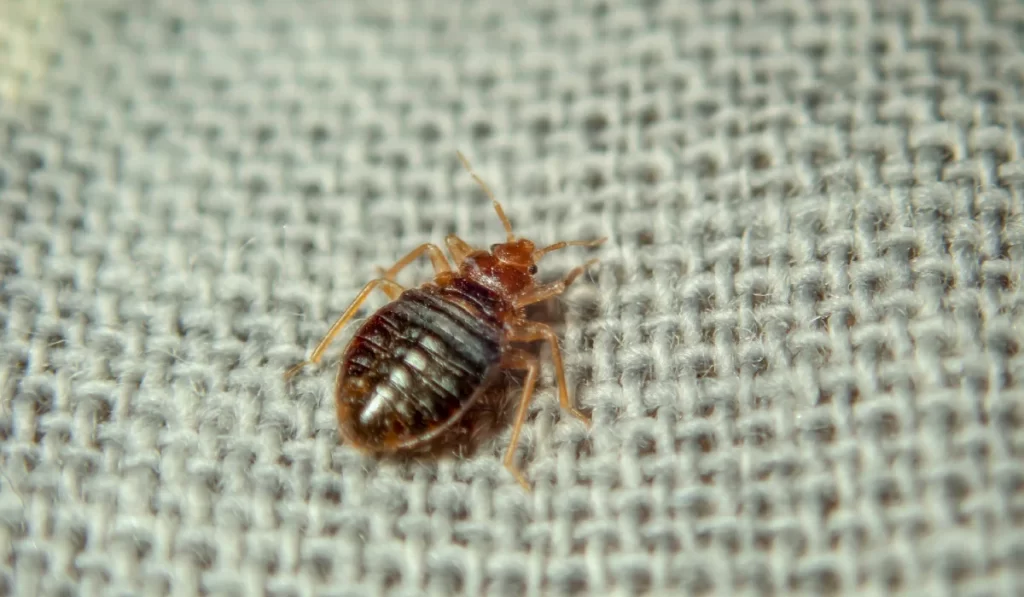
Bed bugs don’t care how clean your home is; they care about one thing: access to blood meals. These pests are expert hitchhikers and often spread through luggage, used furniture, or visitors.
During the summertime, when travel is more frequent, we see an uptick in bed bug calls. They hide in mattresses, box springs, and even picture frames, making them hard to detect and eliminate without professional help. If you wake up with small, itchy bites in a line or cluster, it’s time to investigate.
3. Fire Ants
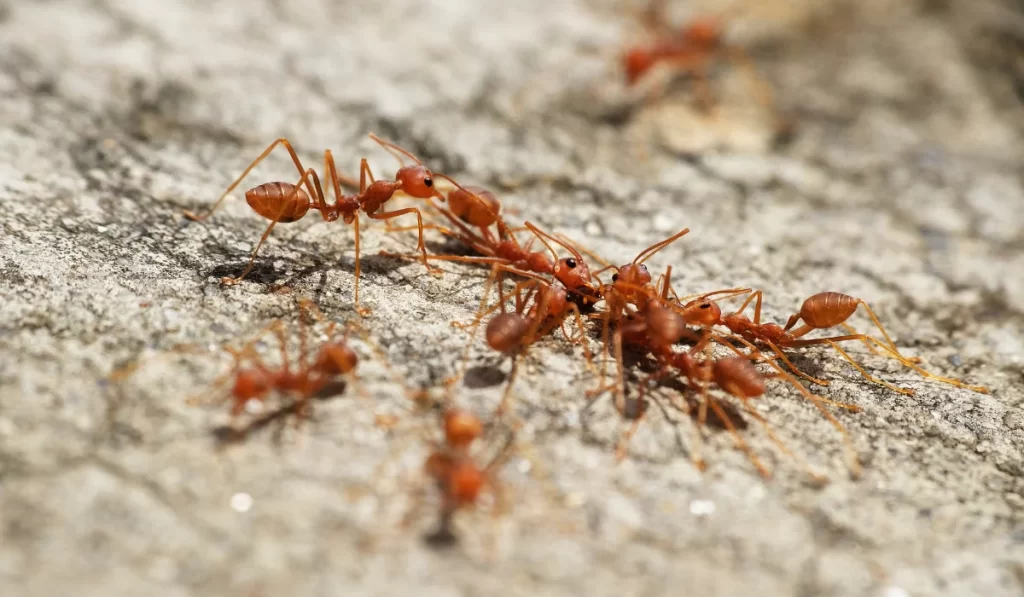
Step outside barefoot in Central Florida during summer, and you might regret it. Fire ants are one of several aggressive ant species found in Florida lawns and parks. They build large mounds in sunny areas and are quick to defend their territory.
Their stings are painful, often resulting in raised welts or pustules, and they’re especially dangerous for those with allergic reactions.
Keep lawns trimmed, inspect for mounds regularly, and avoid standing water; fire ants love to nest near moist areas similar to carpenter ants.
4. Termites
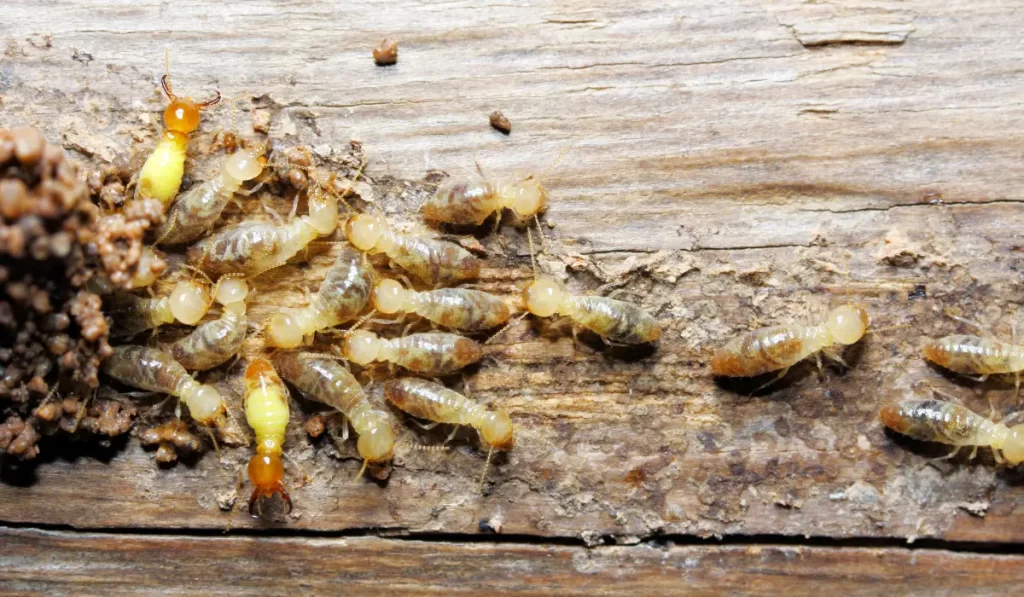
Florida is home to multiple termite species, including drywood termites and subterranean termites. Subterranean termites are more active in the warm summer months when swarms (or alates) are on the move. These silent destroyers feed on wood 24/7 and can cause extensive structural damage if left unchecked.
Signs of a termite infestation include mud tubes, discarded wings, and hollow-sounding wood. Termite control and prevention should be part of every Florida homeowner’s pest management plan.
5. Whiteflies
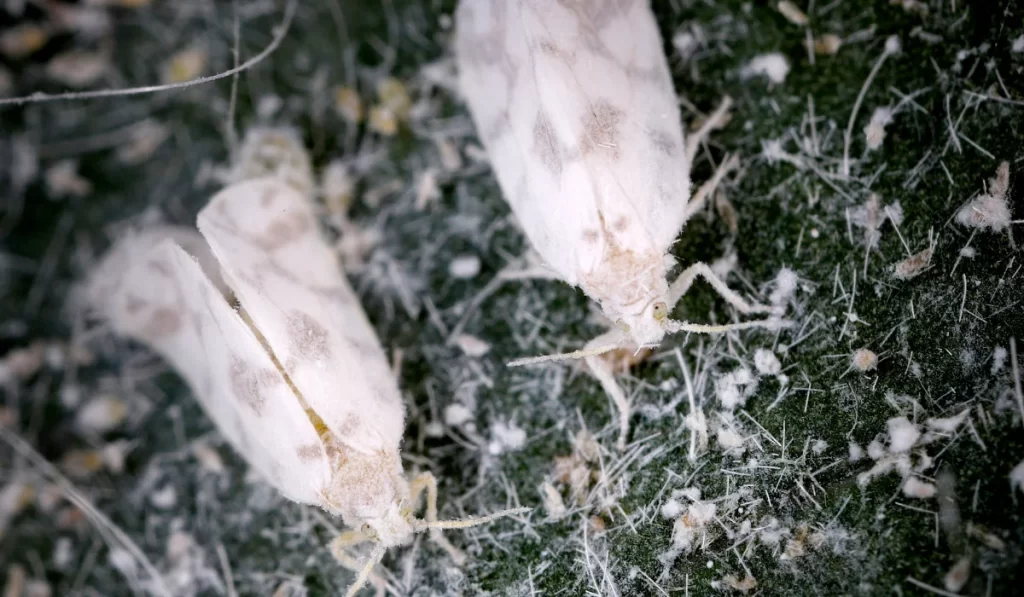
While whiteflies don’t usually come inside your home, they can wreak havoc on your landscaping. These tiny, sap-sucking insects love ornamental plants, especially during the hot, rainy season.
Their feeding can cause yellowing, leaf drop, and plant death. Worse, they leave behind a sticky residue (honeydew) that promotes mold growth. Whiteflies might be stressing your ficus or hibiscus if it looks wilted.
6. Wasps
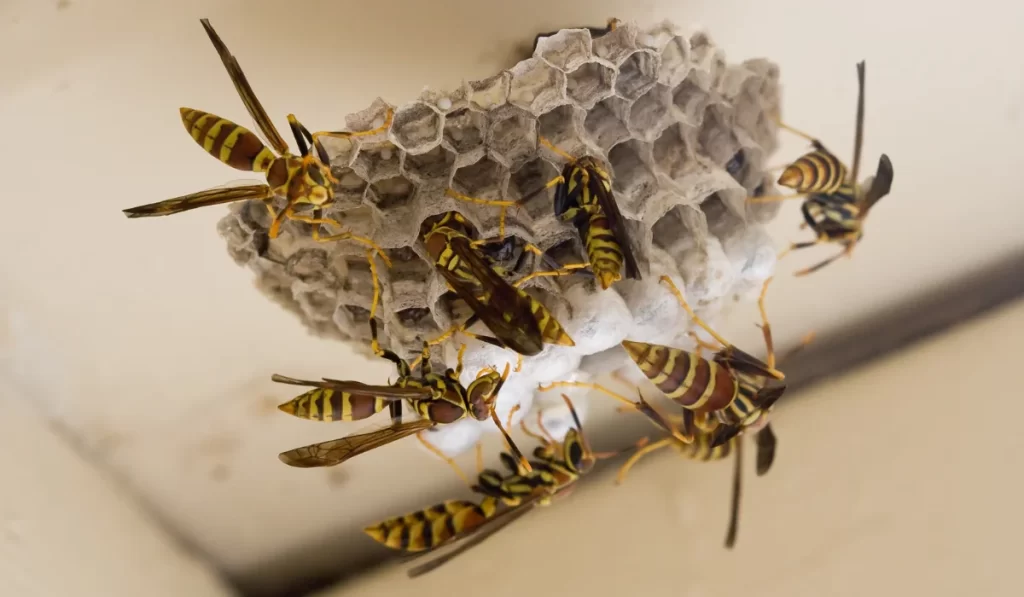
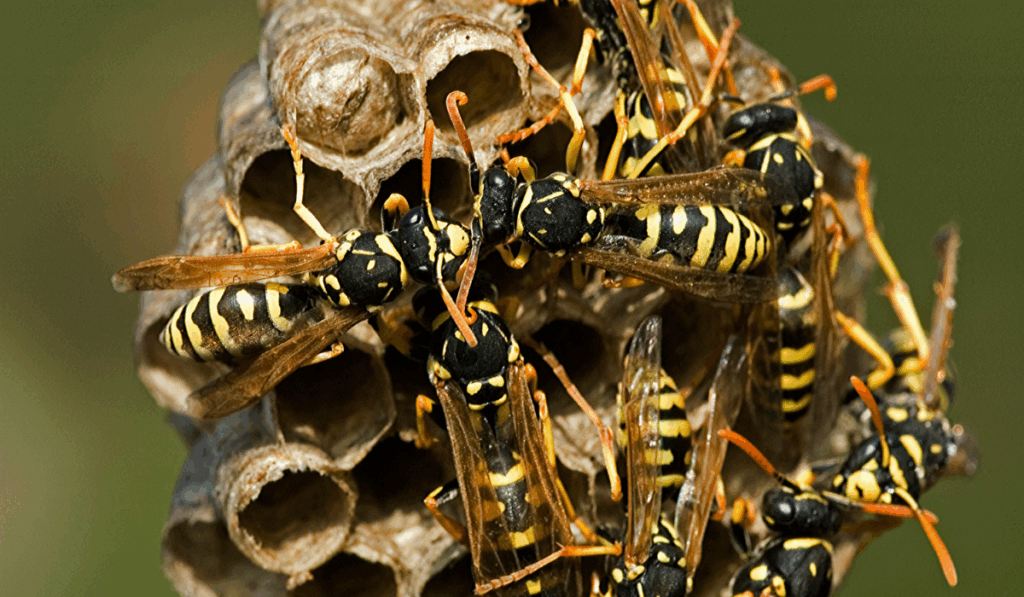
While wasps are less aggressive than some other pests, they still pose a risk, especially when nests are close to homes or outdoor play areas. Florida’s summer heat encourages more wasp activity, including paper wasps and yellow jackets.
They often build nests under eaves, in attics, or around trees. If you notice consistent wasp traffic near one area, don’t try to remove the nest yourself. Call a pest control professional who can handle the job safely.
7. Chinch Bugs

If your St. Augustine grass suddenly starts turning yellow or brown despite regular watering, chinch bugs could be to blame. These lawn pests feed on grass by sucking out its juices and injecting it with toxins that prevent water absorption.
They thrive in dry, sunny areas and are primarily active during the summertime. Spot-treating with appropriate products can help, but for wide infestations, it’s best to bring in professional pest control services.
Why Summer Bugs Love Florida
Florida’s long summers, frequent rains, and high humidity create a perfect storm for insect activity. Standing water, from birdbaths, clogged gutters, or poorly drained yards, attracts mosquitoes, ants, and other pests, some of which can carry diseases like Zika. Warm weather speeds up reproductive cycles, so infestations can grow fast if left unchecked.
Add in the fact that many Florida homes have lush landscaping and outdoor spaces, and it’s easy to see why summer pests are a constant battle.
How to Protect Your Florida Home from Summer Pests
Whether you’re dealing with roaches, termites, or chinch bugs, prevention is key. Here are a few tips:
- Eliminate standing water around your property.
- Use mosquito control treatments in shady yard areas and near standing water.
- Seal cracks, gaps, and other entry points.
- Keep your yard trimmed and free of debris.
- Don’t leave food out, inside, or outside.
- Schedule regular pest control services for year-round protection.
While some DIY solutions may help temporarily, they often miss the root of the problem. At Rowland Pest Control, we serve homeowners and property managers across Central Florida, including Orlando, Winter Park, Deland, and beyond.
We understand the unique challenges Florida summers bring, and we tailor our pest control strategies to match local needs, from termite control to mosquito treatments and everything in between.
Got a pest you can’t identify or a problem that won’t go away? Let’s take the guesswork out of it. Contact Rowland Pest Control for expert help from a local technician who knows Florida pests inside and out.
We are a local pest control company that understands how Florida’s climate affects pest activity year-round. We’ll help you figure out what’s going on and stop it at the source.
FAQs
What are the most common summer pests in Florida?
Some of the most common summer pests include cockroaches (especially palmetto bugs), bed bugs, fire ants, termites, whiteflies, wasps, and chinch bugs. These pests thrive in the warm, humid climate and often move indoors for food or shelter.
Why do bugs get worse in Florida during the summer?
Florida’s summer heat accelerates pest breeding cycles. Combined with frequent rain and abundant standing water, it creates ideal conditions for rapid infestations.
How can I keep bugs out of my home during summer?
Start by sealing cracks and crevices, repairing window screens, eliminating standing water, and keeping food sealed and surfaces clean. Regular pest control service is key to long-term protection.
Are palmetto bugs the same as cockroaches?
Yes, “palmetto bug” is a local nickname for the American cockroach. They’re large, can fly short distances, and are commonly found in Florida homes, especially during the summer.
Do chinch bugs only affect lawns?
Yes. Chinch bugs don’t enter homes, but can cause severe damage to St. Augustine grass by feeding on the plant juices and injecting toxins.