


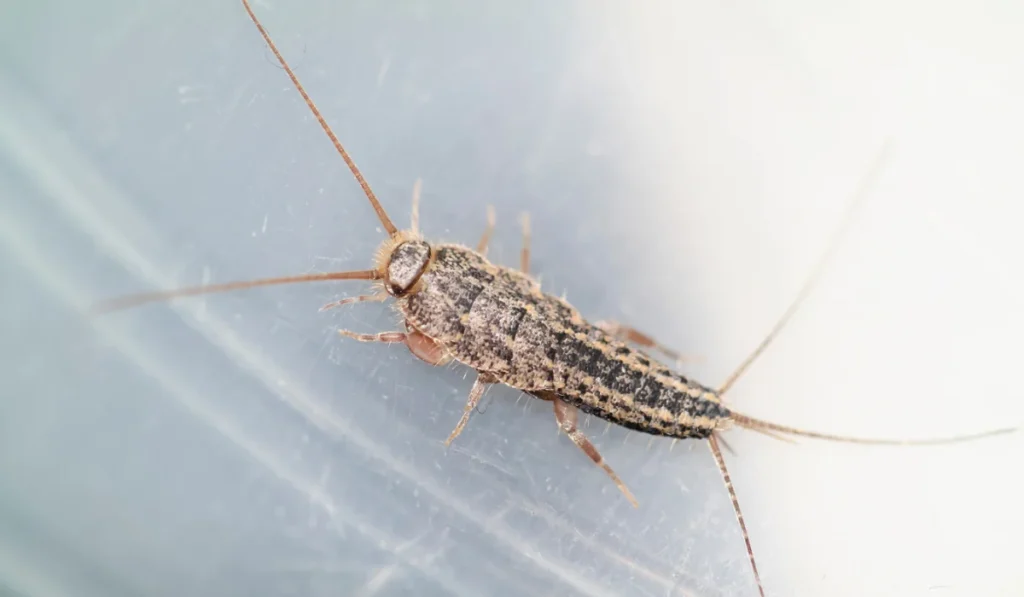
Have you ever seen a small, silvery insect race across your floor or bathtub? That insect is a silverfish. These wingless pests often appear in homes with damp areas such as basements, attics, and laundry rooms. Many homeowners wonder if silverfish are dangerous or just a nuisance.
Silverfish do not bite or spread disease, but they can damage books, wallpaper, and other paper items. A growing silverfish problem often points to excess moisture in your home.
In this article, you will learn what silverfish are, if they are harmful, how to remove them, and when professional pest control in Central Florida helps most.
Key Takeaways:
- Silverfish may damage stored paper items, fabrics, and food products.
- Signs of a silverfish infestation often indicate high humidity or hidden leaks.
- Reducing damp areas and sealing entry points helps stop infestations.
- Rowland Pest Management provides expert silverfish control across Central Florida.
Video Guide: Why You Do Not Want Silverfish in Your Home
The video explains what silverfish look like, where they hide, and why certain areas of your home attract them. It’s a quick, helpful way to understand what you’re dealing with before taking steps to protect your home.
What Are Silverfish?
Silverfish are small, shiny, wingless insects. They move fast, have long antennae, and three tail-like appendages. Their fish-like movement gives them their name. These pests belong to the same group as firebrats but are different from earwigs.
Silverfish feed on starches and cellulose found in book bindings, wallpaper paste, and cardboard boxes. Because they can live for months without food, silverfish often spread unnoticed through crawl spaces, basements, and attics.
Tiny holes in paper, chewed photo edges, or droppings that look like pepper flakes are common signs of silverfish in the home. Silverfish also eat dead insects and organic debris, so regular cleaning reduces their food sources.
If you think silverfish have moved into your home, we offer silverfish control services. Our team inspects hard-to-reach areas such as baseboards, attics, and crawl spaces to identify the source of the problem.
Are Silverfish Harmful to People or Pets?
Silverfish are among the most common pests in Florida. These pests don’t bite, sting, or spread disease. You don’t need to worry about a silverfish bite because they lack the mouthparts to pierce skin. However, they can still cause problems if left untreated.
Droppings and shed skins may trigger allergies or breathing problems, especially in people with asthma. Silverfish may contaminate stored foods like cereal, flour, or pasta when they hide nearby. While not toxic, this contamination can quickly ruin stored food.
In rare cases, people with strong allergies may develop rashes or skin irritation during heavy infestations. Most homeowners consider silverfish a nuisance pest that damages belongings over time.
If you see silverfish or droppings in your pantry, professional pest control can help restore a pest-free home.
What Causes Silverfish Infestations?
Silverfish infestations start when homes offer food, moisture, and shelter. These insects prefer damp areas such as basements, attics, and laundry rooms. Leaky pipes, poor ventilation, clogged gutters, or water buildup near the foundation often attract them.
They enter through small openings, such as cracks, vents, and crevices. Silverfish feed on paper, wood, fabric, dried foods, dead insects, and glue used in wallpaper and book bindings.
Regular home care helps lower risk. Fix leaks, clean gutters, and store food and paper items in airtight containers. Using a dehumidifier in damp areas helps reduce moisture levels.
Rowland Pest Management can seal entry points and locate hidden moisture problems.
How to Get Rid of Silverfish
Home remedies may reduce minor silverfish problems. Diatomaceous earth placed along baseboards and cracks can kill silverfish on contact. Some homeowners use lavender or citrus scents as natural repellents to discourage silverfish.
The Virginia Cooperative Extension recommends lowering humidity, removing clutter, and treating cracks and crevices to control silverfish. These steps help but rarely fix the whole problem.
Silverfish hide deep inside walls and dark spaces. A licensed exterminator can address hidden activity that home treatments miss.
At Rowland Pest Management, our technicians find the source of the infestation, treat affected areas, and seal cracks and gaps. We use treatments that are safe for homes with children and pets. Routine inspections also help keep silverfish from returning.
How to Prevent Silverfish Damage
After treatment, prevention matters most. Keep humidity low and remove clutter that gives silverfish places to hide. Vacuum corners, behind furniture, and along baseboards to remove droppings and eggs.
Store paper items and food in airtight containers. Use sealed plastic bins for long-term storage instead of cardboard boxes.
Check high-humidity areas such as attics, basements, and laundry rooms regularly. A small dehumidifier helps reduce moisture. Sealing baseboards and wall cracks with caulk blocks entry points.
Clean up crumbs and dead insects since silverfish feed on them. A dry, clean home limits food sources and makes your space less inviting to pests.
If silverfish keep showing up, we offer ongoing pest management services to protect your home year-round.
Choosing the Best Silverfish Control in Central Florida
Silverfish can be hard to eliminate because they stay hidden and remain active long after homeowners notice the first signs. A targeted approach helps address the problem at its source instead of chasing visible insects.
At Rowland Pest Management, we offer professional silverfish control tailored to homes in Central Florida.
Contact us today or request a free quote to schedule an inspection.
FAQs
Are silverfish common in Central Florida homes?
Yes. Silverfish love high humidity. The high humidity in Central Florida, especially in Orlando, Winter Park, and nearby cities, draws them into homes.
Can silverfish cause allergic reactions?
Yes. Silverfish shed skins and droppings that can trigger mild allergic reactions, especially for people with asthma or dust allergies.
How can I prevent a silverfish problem in my home?
Keep your home dry by using a dehumidifier, sealing cracks with caulk, and storing paper and food in airtight containers. Professional pest control can prevent infestations before they start.