
How To Get Rid Of Fleas in The House Fast can cause costly problems when early signs are missed. Learn the signs, risks, and when to call Rowland Pest Man.
Key Takeaways for Fast Flea Removal
- Getting rid of fleas requires a two-pronged approach: treating your pets and cleaning both the indoor and outdoor areas where they spend time.
- Before any treatment, prepare your home by vacuuming all carpets, removing items from floors, mopping, and having pets treated on the same day. Continue vacuuming frequently for several weeks afterward to address newly hatched fleas.
- You may notice increased flea activity shortly after treatment because the treatment disturbed the fleas, but consistent cleaning helps reduce the population over time.
- A professional service like Rowland Pest Management can inspect your yard for hotspots and treat both indoor and outdoor areas, with a free 21-day follow-up to address any remaining hatchlings.
How to Identify Fleas in Your Home
Before you can tackle a flea problem, you need to confirm what you’re dealing with. Knowing what fleas look like, where they gather, and how they enter your home helps you focus your efforts in the right places from the start.
How to Tell Flea Types Apart
According to Texas A&M AgriLife Extension, adult fleas are small, wingless insects about 1/8 inch long with brown to black coloring and strong jumping legs. You will typically spot them in the fur of dogs and cats. Cat fleas are the variety most often found on household pets, and they feed on dogs, cats, and a variety of other furred animals.
Flea larvae look different from adults. They are tiny, pale, worm-like, and tend to stay hidden rather than jump. Larvae feed on dried blood provided by adult fleas or on biological debris, as Oregon State University Solve Pest Problems notes. Recognizing both life stages helps you understand the full scope of activity in your home.
How to Spot Flea Activity Inside Your Home
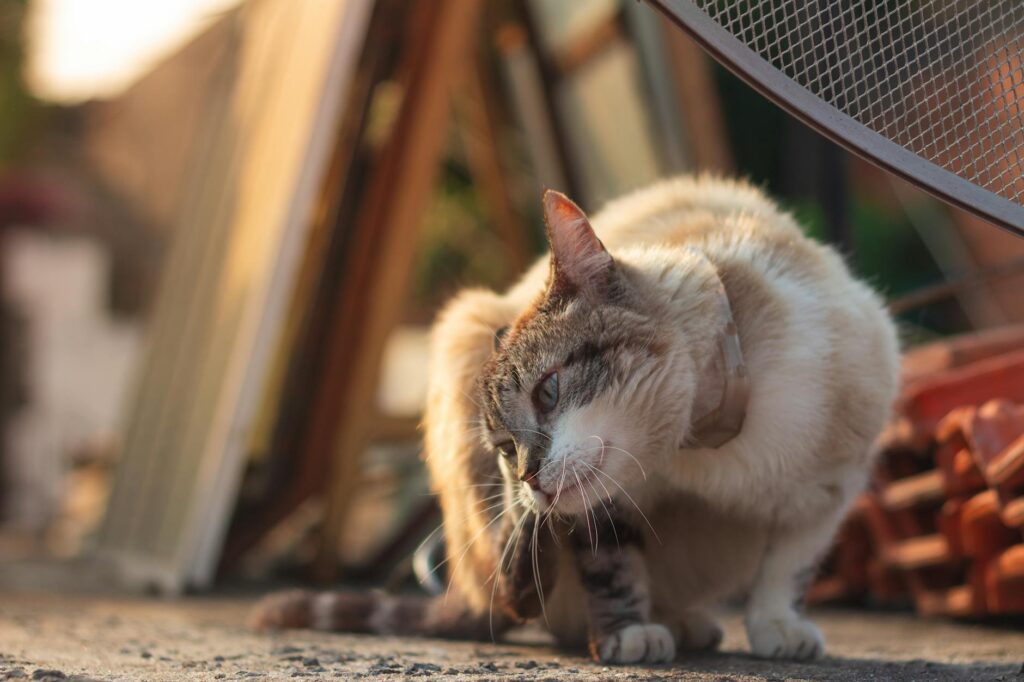
The most common early sign is a pet that scratches or bites at its fur more than usual. Part your pet’s fur and look for small, dark, fast-moving insects. You may also notice tiny dark specks in your pet’s bedding or on light-colored fabric. Those specks are often dried blood left behind by feeding adults.
Vacuum carpets, under beds, and closet floors to reveal hidden activity. After vacuuming, throw the bag away to remove any collected fleas or eggs.
Where Flea Activity Shows Up Around Your Home
Fleas and their larvae tend to concentrate wherever pets spend the most time. Check animal sleeping areas and play areas for signs of flea activity. Carpeted rooms, rugs, and upholstered furniture near pet resting spots are common gathering points.
Effective flea control should be two-pronged: directed at pets to address adult fleas and at breeding sites to address immature fleas. Focusing only on one area while ignoring the other can leave part of the problem untreated.
Exterior Entry Points Fleas Use Around Your Home
Pets are the primary way fleas enter a home. Dogs and cats pick up fleas outdoors and carry them inside, where the insects begin breeding in carpets, bedding, and floor areas. Yards where stray cats or rodents are present can be ongoing sources of flea activity.
Keeping your lawn freshly cut and inspecting pets after time outdoors are straightforward steps that help you catch flea activity early.
Why Flea Problems Develop Fast Indoors
Flea problems in your home usually start with a single source and build once the conditions are right. Understanding where fleas nest outdoors, what draws them inside, and how they spread through your living spaces helps you focus your cleanup and inspection efforts.
Outdoor Nesting Areas for Fleas Around Your Home
Fleas often build up in shaded, sheltered areas of your yard before making their way indoors. Neighborhoods with stray cats or rodents nearby can see higher outdoor flea activity. Keeping your lawn freshly cut reduces hiding spots and makes it harder for flea populations to establish outside your home.
Food and Shelter That Attract Fleas Indoors
Flea larvae feed on flea feces, commonly called flea dirt, which is largely composed of undigested blood. Adult fleas produce this material while feeding on a pet. Carpeting, pet bedding, and floor-level fabric provide shelter where larvae can develop undisturbed. If pets move between indoors and outdoors, their sleeping and play areas become prime hotspots for flea buildup.
How Fleas Move Around Your Home
The cat flea is the most common flea pest of cats and dogs in and around homes. Adults are small, brown, and wingless, with a body shape that allows lateral movement between hairs on the host. Pets carry adult fleas from room to room, and flea eggs drop off wherever the animal rests or plays. This spreads the problem throughout your home within days.
Trails and Entry Points Fleas Use Indoors
When combing your pet with a fine-toothed flea comb, pay special attention to the face, neck, and the area in front of the tail. According to Texas A&M AgriLife Extension, these are key areas where adult fleas concentrate. A thorough pass with a beater-type vacuum can remove up to 60 percent of flea eggs and up to 30 percent of larvae from carpeting.
Vacuuming also removes some of the larval food supply, making those areas less hospitable for developing fleas.
Risks From Fleas in Your Home
Fleas are more than a nuisance. Understanding the risks they pose to your household helps explain why acting quickly matters when you notice flea activity indoors. Both people and pets can be affected, and the longer an infestation persists, the harder it becomes to manage.
Health Risks Linked to Fleas
Fleas feed on blood, and their hosts include dogs, cats, and other pets. According to Oregon State University Solve Pest Problems, fleas also bite people. The cat flea attacks both dogs and cats and will bite humans as well, potentially spreading flea-borne diseases.
The cat flea can transmit a common tapeworm to dogs and cats, murine typhus to humans, and the bacterium that causes cat scratch disease between cats. Constant flea irritation on pets can lead to skin problems, anxiety, and reduced overall well-being.
Property Damage From Fleas in Your Home
Fleas do not cause structural damage to your home the way termites or rodents do. The real concern is the ongoing discomfort they create for everyone living under your roof. Once established indoors, adults continue to bite pets for blood meals throughout the day.
Post-treatment vacuuming helps address the infestation by prompting unhatched eggs to emerge, making them easier to remove.
Food Areas and Flea Activity in Your Home
While fleas do not target food supplies, pet sleeping and play areas can become hotspots for flea activity. Keeping these zones clean is an important step in preparation for any treatment.
When to Look Closer at Flea Activity
If your pets show signs of constant scratching or skin irritation, it may be worth checking for fleas. Indoor infestations can develop quickly once pets bring fleas inside. Pay attention to areas where your pets spend the most time, including bedding, carpeted rooms, and closet floors.
Most single-family homes benefit from having the yard treated to help prevent recurring infestations, especially in areas where stray cats or rodents may be present.
Professional Pest Control for Fleas
How to Reduce Flea Attractants in Your Home
Flea larvae gather in sheltered spots away from foot traffic and sunlight. Reducing those conditions starts with thorough, repeated vacuuming of carpets, under beds, and closet floors. Throw the bag away after each session so collected eggs and larvae cannot re-enter your home.
Sweep and mop all hard floors, and wash pet bedding in the washing machine. Have your pets treated for fleas on the same day you address the indoor environment. Remove toys, mats, and other items from the floor before any treatment so every surface can be reached.
Outdoors, keep your lawn freshly cut. According to UC IPM, outdoor sprays are not necessary unless you detect significant numbers of adult fleas.
Why Flea Control Starts With Inspection
A Rowland Pest Management technician will first ask whether the issue is indoor, outdoor, or both. For single-family homes, pets have often brought fleas indoors, so both areas typically need attention. The technician then performs a thorough inspection of the yard, looking for hotspots where flea activity concentrates.
Indoors, inspection focuses on the areas most likely to harbor larvae. You usually will not find flea larvae in high-traffic zones or sunlit rooms. Instead, they concentrate in quieter spaces where pets sleep and rest.
What to Expect During Professional Flea Treatment
When yard treatment is needed, the technician applies Bifen through a gas-powered blower or electric Flowzone sprayer, covering up to half an acre. Indoors, the entire floor and all animal sleeping and play areas receive treatment with Alpine Flea and Bed Bug aerosol. The floor may feel slightly slippery but will dry within the time given. Fans or air movers can speed up the process.
The aerosol contains an insect growth regulator. As Texas A&M AgriLife Extension explains, growth regulators disrupt the normal development of flea eggs and larvae by mimicking insect hormones, making them a lower-risk option for households with pets and children. The house must be vacant until the product dries, approximately two to three hours.
You may see increased activity shortly after treatment because the treatment aggravated the fleas. The growth regulator prevents most eggs from hatching, and continued vacuuming helps remove any that do hatch.
What to Expect From a Flea Control Plan
Both the indoor and outdoor treatments come with a free 21-day follow-up if needed. At that visit, the technician provides the same service to target any hatchlings that have hatched since the first treatment. This timing accounts for the flea development cycle, since growth regulators prevent flea eggs from hatching and larvae from pupating into adults.
After the initial treatment, wait two to three days, then vacuum carpets, under beds, and closet floors daily. Throw the bag away after each session. Vacuum for at least three consecutive days and sweep hard floors on the same schedule. Continue frequent vacuuming for the next couple of weeks to support the treatment plan.
Before any spray reaches delicate fabrics, treat a small test portion first to be certain the product will not stain the material. Your technician can guide you through protecting sensitive items before indoor treatment begins.
Bottom Line on Getting Rid of Fleas Fast
Getting rid of fleas fast takes a coordinated approach that addresses both your pets and the areas where they spend time. Thorough vacuuming, cleaning pet bedding, and treating your pets on the same day as any home treatment give you the best starting point. For single-family homes, outdoor yard treatment can help prevent recurring problems, especially in neighborhoods where stray cats or wildlife are present. If you need professional help, contact Rowland Pest Management to schedule an inspection at your Central Florida home.
Frequently Asked Questions About Getting Rid of Fleas
What Should I Do Before a Professional Flea Treatment?
Mow your lawn before the outdoor visit. Indoors, remove everything from the floor, vacuum all carpets and hidden areas, then throw the vacuum bag away. Sweep and mop all hard floors. Have your pets treated the same day and wash their bedding in the machine. Everyone must leave the house until the product dries, roughly two to three hours.
Why Am I Still Seeing Fleas After Treatment?
Increased activity right after treatment is normal because fleas have been disturbed. Vacuuming vibrations prompt remaining eggs to hatch, making newly hatched fleas easier to remove with continued cleaning.
How Soon Should I Vacuum After Treatment?
Wait two to three days after your treatment, then vacuum carpets and hidden floor areas daily for at least three consecutive days. Sweep hard floors on the same schedule and throw the bag away each time.
Is a Follow-Up Visit Included?
Rowland Pest Management includes a free 21-day follow-up if needed. This visit targets any fleas that may have hatched since the first treatment, using the same service process to address the next stage of the lifecycle.
Our methodology: how we research pest control topics
Every Rowland Pest Management article follows the same standard we hold our service work to: clear, accurate, and grounded in what actually works on a Central Florida property. Homeowners across Orlando, Daytona Beach, and the surrounding communities count on us for honest information they can act on, and we treat the writing the same way.
We build our content from a combination of government guidance, peer-reviewed research, and the patterns our technicians see across thousands of homes in the Central Florida service area. Here is how we approach each article:
Studying pest behavior
We start with how each pest actually lives — where it nests, how it spreads, and what conditions support it. Florida’s heat, humidity, and rainy season change pest pressure in ways that matter for treatment, and getting the biology right is what tells us what will and will not work.
Reviewing health and home risks
We review research on how each pest affects human health and home structures. Some pests are a nuisance. Others trigger allergies, carry bacteria, or cause structural damage. Knowing the actual risk is what helps a homeowner decide how urgently to act.
Using Integrated Pest Management
Our recommendations are grounded in Integrated Pest Management (IPM), the framework supported by the USDA and EPA. IPM combines monitoring, sanitation, exclusion, and targeted treatment to reduce pest populations while limiting unnecessary product use.
Prioritizing prevention and lasting protection
A pest problem rarely ends with one treatment. We focus on the conditions that allow infestations to start in the first place — moisture, food sources, gaps around the home, harborage zones — because long-term control depends on changing the environment, not just treating the symptoms.
Citing peer-reviewed and government sources
Whenever possible, we support our recommendations with peer-reviewed studies, university extension research, and guidance from agencies like the EPA, CDC, and USDA. Each source we cite is listed at the end of the article.
Why trust us
Rowland Pest Management has spent years serving homeowners across Central Florida — from Orlando and Winter Park to Daytona Beach, New Smyrna Beach, and 20+ surrounding communities. Our technicians know what Florida pests look like, where they hide, and what a treatment plan needs to address in this climate to last.
That same standard runs through our content. The information you read here reflects what our technicians see in the field, what current research supports, and what we have learned from servicing homes across our Central Florida footprint. We are not in the business of generic pest content. We write for the conditions our customers actually deal with.
Our credentials
- Service across Central Florida — Orlando, Winter Park, Altamonte Springs, Lake Mary, Heathrow, Winter Garden, Mount Dora, Davenport, Kissimmee, St. Cloud, Daytona Beach, Port Orange, Titusville, Oviedo, Casselberry, and 20+ surrounding communities
- Trained pest control technicians on staff
- General pest control, termite, rodent, and mosquito programs
- Continuous review of pest research, regulations, and Florida-specific pest pressure
- Local Central Florida operation with year-round service capacity
Sources and standards we reference
To keep our content accurate and up to date, we rely on established research and authority sources, including:
Environmental Protection Agency (EPA):
Guidelines on product use, labeling, and approved applications.
Centers for Disease Control and Prevention (CDC):
Public-health guidance on pests that affect human health, including mosquitoes, ticks, rodents, and cockroaches.
United States Department of Agriculture (USDA):
Integrated Pest Management standards and pest biology research.
National Pest Management Association (NPMA):
Industry standards, pest behavior research, and seasonal trend reporting.
University extension programs:
Peer-reviewed, region-specific research on pest biology and control methods, especially University of Florida IFAS Extension for Central Florida pest pressure.
Peer-reviewed journals:
Research published in entomology, public health, and environmental science journals to support specific claims about pest behavior, health risks, and treatment efficacy.
Article sources
The following sources were specifically referenced in the research and development of this article:
All information is accurate at the time of publication and is reviewed regularly to reflect current research and pest control standards.