
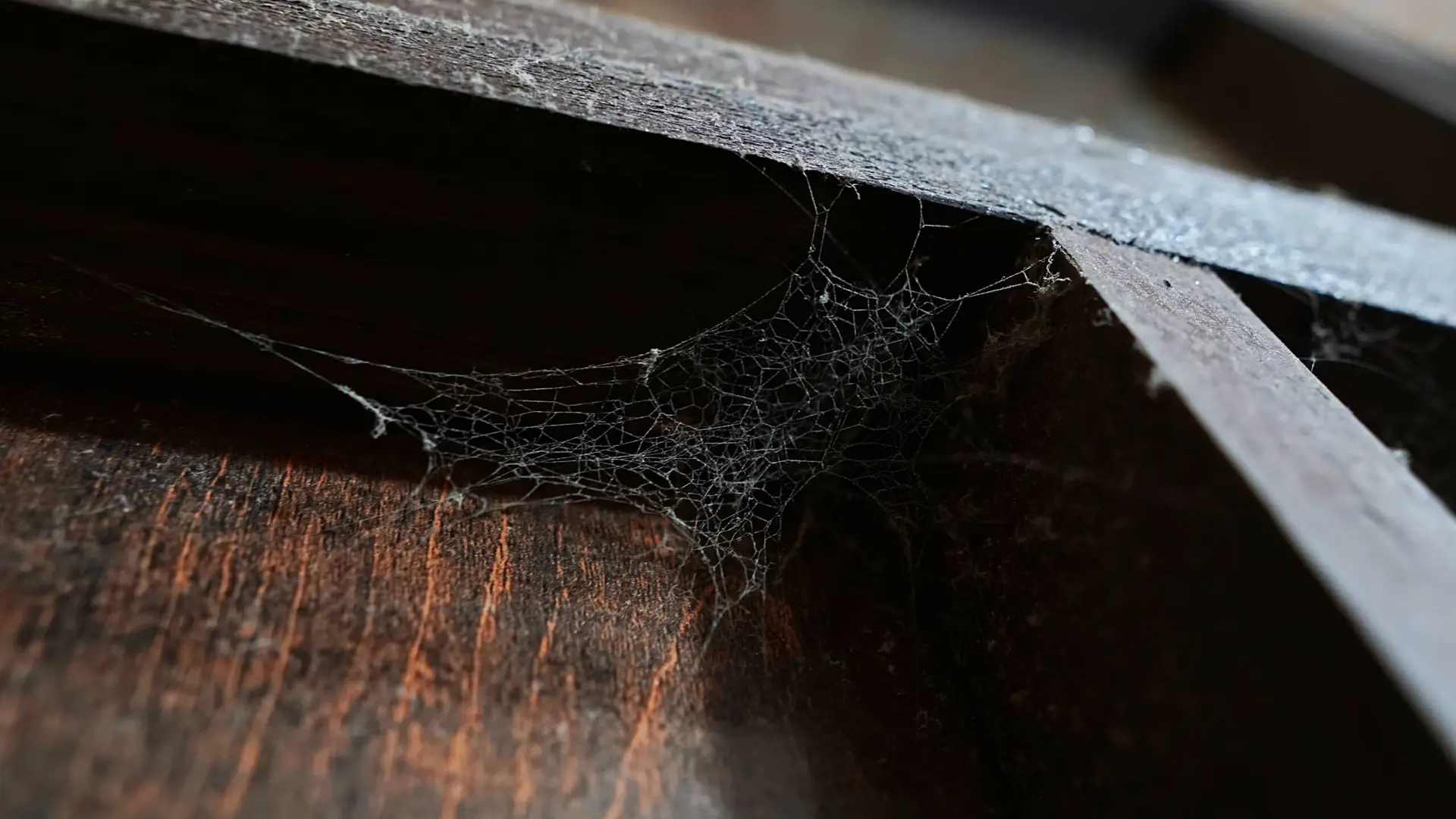
You walk outside to grab the mail or pull into the driveway and notice fresh spider webs stretched across your porch, windows, light fixtures, or entryway. Even after removing them, new webs often seem to appear within days. Knowing how to remove spider webs outside your house can help keep your home’s exterior cleaner and make outdoor spaces more enjoyable.
Spider webs often form in areas that provide shelter, lighting, and easy access to insects. In this guide, you’ll learn how to remove spider webs outside house surfaces, where webs commonly appear around Winter Garden homes, and what steps you can take to discourage spiders from rebuilding in the same locations.
Key Takeaways
- Removing webs with a broom, vacuum, or hose on a regular schedule helps prevent heavy buildup around porches, eaves, and windows.
- Checking window and door screens for tight seals may reduce the number of spiders and the insects they feed on around your home.
- Identifying which spiders are building webs on your property helps you understand whether they pose a concern or are simply a nuisance.
- Ongoing prevention, including reducing outdoor lighting and clutter that attracts insects, supports long-term web management around your house.
How to Identify Spider Webs Around Your Home
Before you grab a broom, it helps to know what you are looking at. Different spiders build different web styles, and recognizing the type of web on your exterior walls or eaves can tell you which species is responsible and where to focus your cleanup efforts.
How to Tell Different Outdoor Spider Web Types Apart
Not every web looks the same. Cobweb spiders, such as the American house spider, are typically about 1/3 inch long with round, bulbous abdomens and short, spindly legs. According to Kansas State University Extension, these spiders come in shades of brown and gray, rarely leave the web, and hang upside down, bouncing if disturbed. Their webs tend to be tangled and irregular.
Southern house spiders are larger, reaching up to 3/4 inch excluding the legs, and they build small, funnel-like webs tucked into cracks and crevices. Joro spiders are larger still. Adult females can reach up to 1¼ inches in body size with long legs and build large, spiral, wheel-shaped orb webs that may appear gold-colored.
How to Spot Spider Web Activity Inside Your Home
Some spiders build webs and wait for prey, while others are active hunters that roam and capture food. Web-building species often set up in corners and out-of-the-way places, while active hunters tend to stay hidden during the day and move at night. If you notice webs collecting in indoor corners, that points to a web-building species rather than a roaming hunter.
When you find webs, egg sacs, or spiders indoors, a vacuum can remove all three at once and help reduce immediate rebuilding.
Where Spider Web Activity Shows Up Around Homes
Web-building spiders favor sheltered spots that stay undisturbed. Look for webs in corners of porches, along eaves, and in any protected area where spiders can anchor silk lines. Southern house spiders in particular seek out cracks and crevices for their funnel-shaped webs. Larger orb weavers may stretch webs across open spaces between posts or railings.
Why Spider Web Problems Keep Coming Back
Spider webs do not appear randomly around your home. They show up where shelter, stable web-building locations, and food sources are available. Understanding what attracts spiders to the exterior of your house helps you identify the food sources and harborage areas that allow webs to keep returning.
Outdoor Nesting Areas That Attract Web-Building Spiders
Spiders gather outdoors in stacks of firewood, rock walls, and debris piles. These sheltered spots give spiders a stable place to anchor webs and wait for prey. Removing those potential habitats can help reduce spider activity around your home’s exterior.
Old spider webs can collect debris and make it easier to overlook new web activity in the same area. Leaving abandoned webs intact may invite new spiders to settle nearby.
Food Sources and Shelter That Draw Spiders to Siding
Spiders build webs where insects are plentiful. Spiders build webs where insects are plentiful because those locations provide a reliable food source. When insects congregate near your exterior lights or siding, spiders follow the food source.
Checking in and under existing webs can tell you what insects have been captured. Reducing those insects removes the food supply that keeps spiders returning to the same spots on your home.
How Spiders Move Around and Recolonize Homes
Some spiders can develop continuously in controlled climates or may overwinter as eggs, immatures, or adults in areas that provide some shelter. Cellar spiders build large, irregular webs and rest upside down in them. This ongoing development means webs can accumulate year-round in protected areas around your home.
Where Spiders Enter and Move Around Your Home
Keeping the areas around your home free of debris and old nests limits the sheltered pathways spiders rely on. Vacuuming indoor areas regularly can also help minimize spider food, such as insects, which reduces the pressure that draws spiders toward your house.
A flashlight can help you inspect cabinet crevices and storage areas for webbing and debris that might otherwise go unnoticed. Staying on top of these checks makes it easier to spot new web activity before it builds up.
Risks From Outdoor Spider Webs
Health Risks Linked to Removing Spider Webs Outdoors
Spider webs are mostly a cosmetic issue, but removing them without checking for spiders or egg sacs can lead to unexpected contact and recurring web problems. When you sweep or pull down a web, the spider may still be resting in the center or along the edge.
Some orb weavers, such as the golden garden spider, hang upside down in the middle of their large webs in sunny, sheltered spots. Reaching into these areas without looking first can lead to unexpected contact.
Spider webs also contain egg sacs that can go unnoticed. If webs and egg sacs are not removed from floors, walls, and ceilings, new spiders may emerge in the same area. Thorough removal of both webs and egg sacs helps reduce the chance of a recurring presence.
Property Damage Linked to Spider Web Activity
The webs themselves do not cause structural harm, but the conditions that attract web-building spiders can point to property issues worth addressing. Cracked siding, gaps around window frames, and deteriorated trim give spiders access points they readily exploit.
Sealing and repairing damaged exterior surfaces removes the pathways spiders rely on, which also helps protect your home from moisture and wear over time.
Food Areas and Spider Activity Near Outdoor Living Spaces
Outdoor dining spaces, porches, and grilling areas can attract pests that spiders feed on. Where prey gathers, web-building spiders tend to follow. Not every spider relies on webs to catch food. Some species stalk their prey and capture it by spitting glue-like venom onto it. These hunting spiders may linger near the same areas without leaving obvious webs behind.
Keeping food areas tidy reduces the prey that draws spiders close to your living spaces. Removing visible webs around these zones addresses only part of the issue, since both web-building and hunting spiders may be present.
When to Look Closer at Recurring Web Activity
If webs return quickly after removal, that pattern suggests spiders are finding favorable conditions nearby. Large webs in sunny, sheltered spots often belong to orb weavers that rebuild in the same location when food sources and shelter remain available. Repeated web activity near doors or windows may also signal damaged exterior surfaces that need repair.
A closer look at your home’s exterior can reveal cracks and gaps that spiders use to move between outdoor and indoor spaces. Finding and sealing these entry points is one of the most practical steps you can take to reduce ongoing spider web activity.
Professional Pest Control for Ongoing Spider Web Problems
In Winter Garden, spiders often build webs around porches, lanais, eaves, and outdoor lighting where insects are active. Removing those webs is a solid first step, but long-term control requires addressing the food sources, shelter, and hiding places that attract spiders. Below, you’ll find practical ways to reduce what attracts spiders, why inspection matters, and what a professional control plan looks like.
How to Reduce Attractants That Invite Spiders
Spider control starts with making your home’s exterior less inviting. Keep clutter off the ground around your home’s foundation. Stacked boxes, unused pots, firewood, and other items near walls create hiding places that spiders favor.
Spider control efforts should focus on removing webs and hiding places. Spiders are more likely to settle in areas that remain undisturbed, so regular tidying around your foundation helps discourage new web construction.
Why Effective Spider Control Starts With a Full Inspection
Before clearing webs, take time to walk the perimeter of your home and note where webs are concentrated. Corners of garages, windows, and eaves are common spots. Understanding where spiders are building helps you target your removal efforts and identify areas that may need ongoing attention.
Inspection also reveals the limits of a quick sweep. As Mississippi State University Extension notes, sweeping cobwebs out of corners removes the webs, but the spiders that built them often escape and promptly rebuild. That pattern is why inspection and repeated follow-up matter.
What to Expect During Professional Spider Web Treatment
You can remove spider webs from the exterior of your house with a broom, extension duster, or standard garden hose. These tools knock down webs from siding, eaves, and window frames. Indoors, a vacuum can remove both the webs and the spiders, helping prevent immediate rebuilding.
A professional service from Rowland Pest Management goes beyond a single sweep. Our service professionals inspect the outside of your home, remove existing webs, and look for the hiding places that invite spiders back. A thorough approach addresses both the visible web and the environmental factors that encourage spiders to return.
What to Expect From a Professional Spider Control Plan
A control plan combines hands-on removal with ongoing attention. Your Rowland Pest Management service professional will focus on clearing webs and reducing harborage around your home’s exterior. Removing clutter near the foundation and keeping those areas tidy between visits supports the work your technician does on-site.
No single visit will stop every spider from returning. Webs can reappear, especially in sheltered corners and along window frames. A recurring plan helps you stay ahead of rebuilding so the outside of your home stays cleaner over time. Rowland Pest Management serves Orlando, Daytona Beach, Kissimmee, Winter Park, and 20+ surrounding Central Florida communities.
How to Remove Spider Webs Outside Houses: Bottom Line
Keeping spider webs off the exterior of your home comes down to consistent removal and reducing the conditions that attract spiders in the first place. A broom or a vacuum can handle most webs, but spiders that escape during cleanup often rebuild quickly.
Clearing debris piles, firewood stacks, and rock walls near the exterior helps reduce spider activity over time. When webs keep returning despite your best efforts, a professional inspection can identify what is drawing spiders to your property and outline a targeted plan.
If spider webs keep returning around your Winter Garden home, Rowland Pest Management can identify the source of the activity and recommend a treatment plan designed for long-term control. Contact us today for a free quote.
Frequently Asked Questions
What is the easiest way to clear webs from siding and eaves?
A long-handled broom or a high-pressure hose lets you reach webs along siding, eaves, and other high spots without a ladder. Regular passes every week or two help keep webs from accumulating.
Why do webs come back so fast after cleaning?
Sweeping or brushing removes the web itself, but the spider that built it often escapes. Once the spider relocates nearby, it can spin a replacement web in the same general area. Using a vacuum to capture both the web and the spider may slow the cycle.
Does removing outdoor clutter actually help?
Spiders can gather in firewood stacks, rock walls, and debris piles near the house. Clearing or relocating those items reduces nearby hiding spots and may lower the number of webs that appear on your exterior walls.
When should a homeowner call a professional?
If webs reappear quickly after repeated cleanup, or if you notice a large number of spiders around the property, a pest control professional can assess the situation. They can identify food sources, harborage areas, and entry points that may be contributing to ongoing spider activity.