
Florida homeowners know the shock of flipping on a light and seeing a cockroach dart across the floor. Many people say “palmetto bugs,” but the term refers to several cockroach species common in Florida. Their large, reddish-brown bodies make them easy to spot in Central Florida homes.
So, are palmetto bugs dangerous in Florida? They don’t bite or sting, but they spread bacteria and can worsen allergies and asthma. Knowing their habits helps you protect your home.
In Orlando, Winter Park, and across Central Florida, palmetto bugs are a year-round concern. This guide explains what palmetto bugs are, the health risks they pose, how infestations start, and how to get rid of them. With good prevention and professional help, you can keep them out.
Key Takeaways:
- Palmetto bugs are large cockroaches common in Florida, including the American, smokybrown, and Florida woods cockroaches. They live outdoors but often move into homes.
- They don’t bite, but they still pose health risks. They spread bacteria like Salmonella, and their droppings and shed skins can trigger allergies and asthma, especially in children.
- Infestations grow fast. Damp areas, leaks, mulch, and woodpiles provide shelter and food that attract palmetto bugs, often found in and around homes.
- Prevention plus professional service works best. Seal entry points, reduce clutter, and schedule regular treatments to eliminate palmetto bugs and prevent their return.
What Exactly Is a Palmetto Bug in Florida?
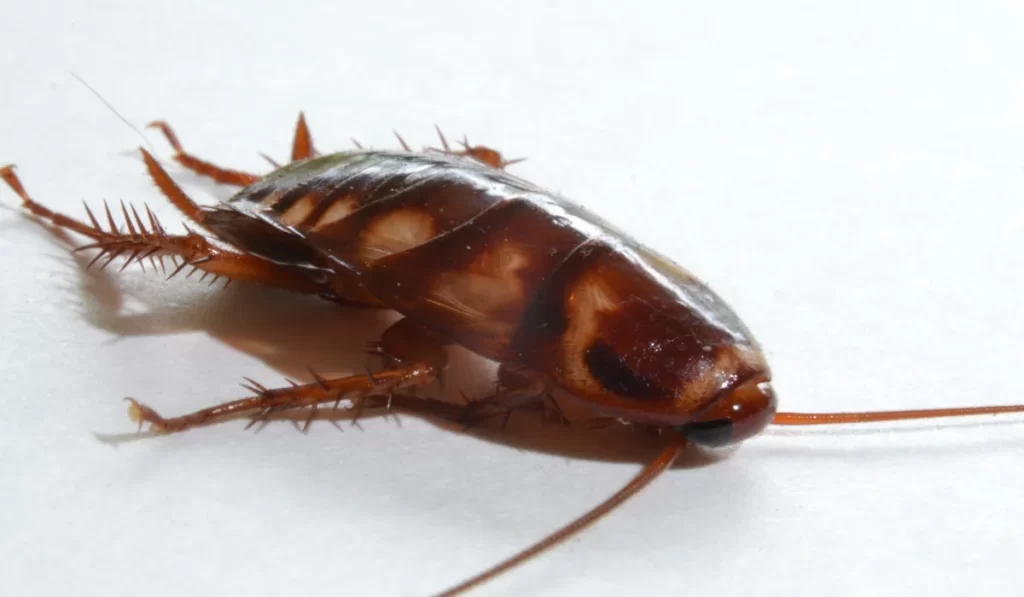
People often use ‘palmetto bug’ as a polite name for a large cockroach. In Florida, it usually refers to three main species of cockroaches: the American cockroach (Periplaneta americana), the smokybrown cockroach, and the Florida woods cockroach. Each species has a large, dark brown to reddish-brown body.
The American cockroach is common and often called a “water bug” because it thrives in damp places like sewers, crawl spaces, and basements. Smokybrown cockroaches grow large and hide outdoors in mulch, woodpiles, and leaf litter. Florida woods cockroaches are slower and often live near palm and palmetto trees, but they may still enter homes.
All three species cause problems indoors. Their droppings, shed skins, and egg cases build up and can lead to a full infestation.
Are Palmetto Bugs Dangerous to Your Health?
Palmetto bugs don’t bite, but they carry health risks. They crawl through sewers, standing water, and decaying matter before entering homes. As they travel, they pick up bacteria and spread them on kitchen counters, stored food, and pet bowls.
A major concern is Salmonella, which cockroaches can transfer to surfaces and food. Their droppings and egg cases can trigger allergies and asthma attacks, especially in children.
The danger comes from contamination, not bites. Treat any sighting as a warning sign of a possible infestation.
Why Do Palmetto Bugs Invade Florida Homes?
Palmetto bugs stay close to food, water, and shelter. Central Florida’s humidity gives it plenty of all three, indoors and out.
Common attractants include leaks under sinks, wet crawl spaces, and damp basements. Outdoors, mulch, leaf litter, and woodpiles create perfect hiding spots. If these pests find easy entry points into your home, such as gaps under doors or cracks in foundations, they won’t hesitate to come inside.
Once indoors, they eat crumbs, spills, and pet food left out overnight. As they move, they can spread bacteria across several rooms.
Signs of a Palmetto Bug Infestation
Because palmetto bugs are nocturnal, you might not see them during the day. Instead, look for these signs:
- Droppings that resemble coffee grounds or black pepper.
- Egg cases (ootheca) are brown capsules often left near baseboards or behind appliances.
- Shed skins and nymphs show active breeding.
A strong, musty odor or the presence of many live roaches often indicates an active infestation. At that point, call a professional for fast control.
How to Get Rid of Palmetto Bugs
You can take steps at home, but larger or recurring infestations need professional pest control for lasting results.
Simple DIY methods include sealing cracks with caulk, repairing leaky pipes, and reducing hiding spots, such as cluttered crawl spaces. Some people use boric acid powder in targeted areas or bait stations designed for cockroach control. However, these methods only work if the infestation is small and food sources are limited.
For larger infestations, professionals use baits and exclusion. At Rowland Pest Management, we seal entry points and remove conditions that attract roaches. These steps stop reinfestation and protect your home year-round.
Preventing Palmetto Bugs in Central Florida Homes
The best way to deal with palmetto bugs is to make your home less attractive to them. Good sanitation goes a long way:
- Keep counters free of crumbs and standing water.
- Store pet food in sealed containers and don’t leave it out overnight.
- Replace mulch near your foundation with alternatives like rock, which is less appealing to cockroaches.
- Trim palm trees and clear leaf litter where palmetto bugs like to nest.
Professional pest management adds strong protection. Quarterly exterior treatments help block entry points and reduce outdoor populations before they move inside. While palmetto bugs are common in Central Florida, homeowners in South Florida face the same year-round pressure from these pests.
Making the Right Choice for Florida Pest Control
Palmetto bugs are more than a nuisance; they’re a sign that conditions around your home are inviting pests inside. Quick action makes a big difference in stopping infestations before they grow.
At Rowland Pest Management, we provide trusted cockroach control in Orlando, Winter Park, and across Central Florida, with tailored solutions that protect your home year-round.
Contact us today or request a free quote to schedule your inspection.
FAQs
What’s the difference between a palmetto bug and an American cockroach?
The term “palmetto bug” usually refers to the American cockroach in Florida. These are large cockroaches with reddish-brown bodies and a yellowish marking behind the head. Other types of cockroaches, like smokybrown and Florida woods species, are also sometimes called palmetto bugs.
Can palmetto bugs fly?
Yes, American cockroaches and smokybrown cockroaches can glide short distances, especially in warm, humid conditions. Florida woods cockroaches don’t fly, but locals still call them palmetto bugs.
How can I prevent palmetto bugs from getting inside?
Seal cracks around doors and windows, fix leaky pipes, and reduce damp areas where cockroaches thrive. Store food properly, limit clutter, and consider quarterly pest control services to stop infestations before they start.